

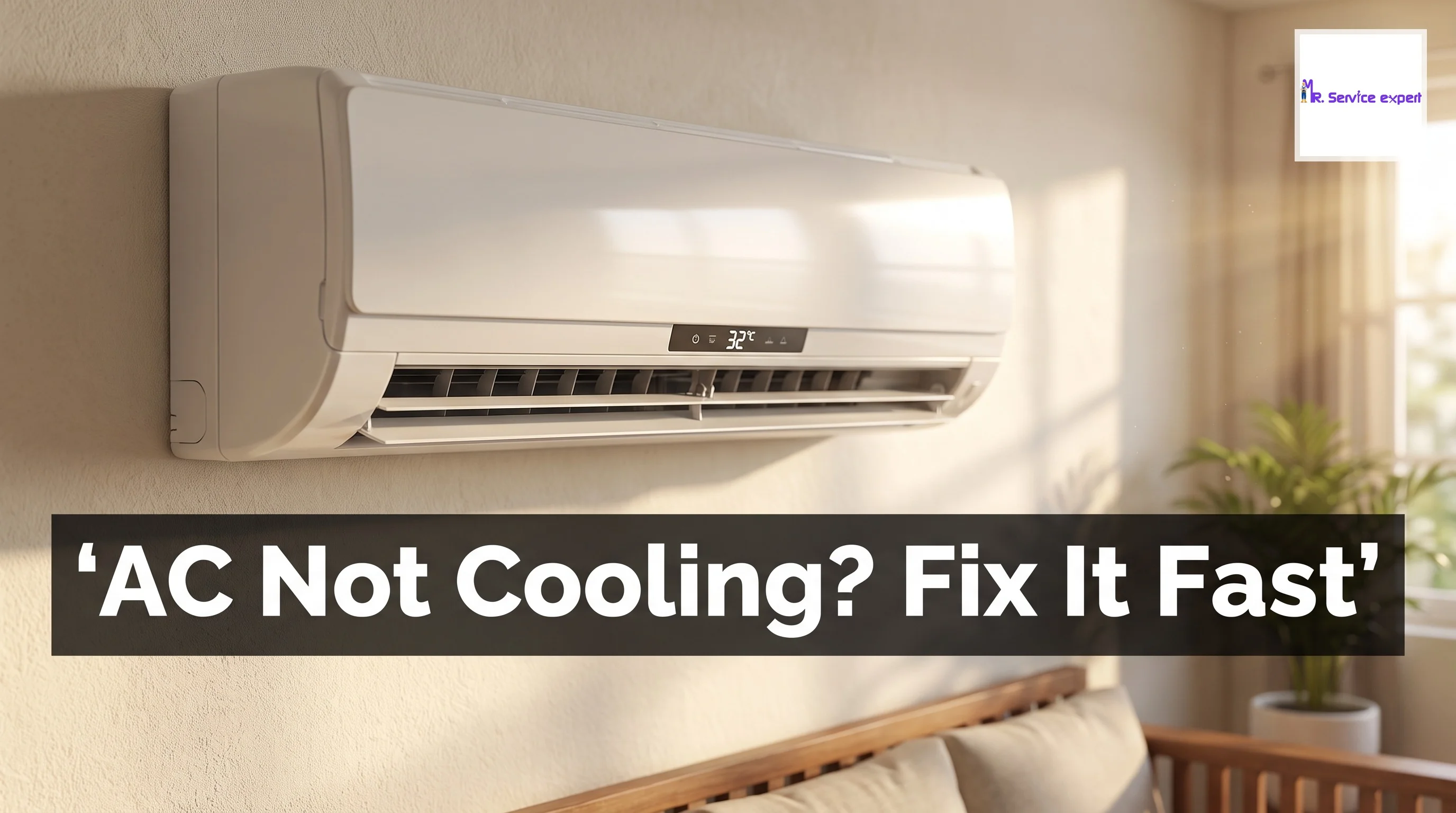
AC Not Cooling Properly? Top Reasons and Quick Fixes
Nothing feels worse than coming home on a scorching summer day, expecting cool relief from your air conditioner, only to find it blowing warm air or barely cooling at all. If your AC not cooling properly has become a frequent problem, you're definitely not alone. Thousands of Indian households face this frustrating issue every year, especially during peak summer months when temperatures soar above 40 degrees Celsius. The good news? Most cooling problems have simple explanations and can be fixed without breaking the bank. Understanding why your air conditioner isn't performing as expected is the first step toward getting that refreshing, cool air flowing again.
Before you panic and assume your AC needs complete replacement, it's important to know that several common culprits are behind poor cooling performance. From simple maintenance oversights to technical malfunctions requiring professional AC Repair, identifying the root cause will save you time, money, and unnecessary stress. Whether it's a refrigerant issue like AC gas leakage, a clogged filter restricting airflow, or even incorrect thermostat settings, each problem has specific symptoms and solutions.
In this comprehensive guide, we'll walk you through the top reasons your AC might not be cooling properly and provide practical, quick fixes you can try yourself. We'll also help you understand when it's time to call in the professionals for Air Conditioner Service. The information shared here is based on common scenarios faced by homeowners across India, from metropolitan cities to smaller towns, and includes solutions that work in our unique climate conditions.
Your air conditioner is a significant investment in your home comfort and protection of home appliances like this ensures they serve you well for years. By learning about these common issues, you'll not only solve immediate cooling problems but also develop better maintenance habits that prevent future breakdowns. Remember, regular attention to your AC's health means fewer emergency repairs, lower electricity bills, and consistent comfort throughout the year.
So whether your AC is blowing warm air, making strange noises, or just not reaching the desired temperature, stick with us through this guide. We'll explain everything in a casual, helping nature so you can become your own first-line troubleshooter before deciding if professional intervention is necessary.
Understanding How Your AC Should Function
Before diving into problems, let's quickly understand how your air conditioner actually works. Your AC doesn't create cold air from nothing; instead, it removes heat and humidity from your indoor air and releases it outside. The system uses a refrigerant gas that circulates through various components including the compressor, condenser, evaporator, and expansion valve. When everything works smoothly, this cycle continuously removes heat from your room, maintaining your desired temperature.
The indoor unit contains the evaporator coil where warm room air passes over cold refrigerant-filled coils. The refrigerant absorbs the heat, cooling the air which is then blown back into your room. Meanwhile, the outdoor unit houses the compressor and condenser, where the refrigerant releases the absorbed heat into the outside atmosphere. This continuous cycle should maintain consistent cooling as long as all components function properly.
When any part of this cycle faces disruption, whether mechanical failure, refrigerant loss, or airflow restriction, your AC's cooling capacity diminishes noticeably. Understanding this basic process helps you appreciate why seemingly small issues like dirty filters or low refrigerant can significantly impact overall performance. The various sensors, thermostats, and control boards coordinate these operations, meaning both mechanical and electrical problems can affect cooling efficiency.
Top Reasons Your AC Not Cooling Properly
Dirty or Clogged Air Filters
Perhaps the most common and easily fixable reason for AC not cooling is dirty air filters. Your AC filter traps dust, pollen, pet hair, and other airborne particles, preventing them from entering the system and your lungs. However, when filters become clogged with accumulated debris, airflow gets severely restricted. Reduced airflow means less air passes over the evaporator coils, dramatically reducing cooling efficiency.
In Indian conditions where dust levels can be quite high, especially in northern regions during summer months, filters get dirty much faster than in cleaner environments. A clogged filter forces your AC to work harder, consuming more electricity while delivering less cooling. You might notice the indoor unit struggling, making unusual sounds, or the room taking much longer to cool down than usual.
The quick fix here is simple and requires no technical expertise. Open your indoor unit's front panel and remove the filter. If it looks gray or brown instead of white or light-colored, it needs cleaning. Wash it gently with water and mild detergent, let it dry completely, and reinstall. For optimal performance, clean your filters every two weeks during heavy usage periods and monthly otherwise. This simple maintenance step can restore up to 15 percent of your AC's cooling efficiency.
Refrigerant Issues and AC Gas Leakage
AC gas leakage is one of the most serious reasons behind poor cooling performance. The refrigerant, commonly called "gas" in India, is essential for the heat exchange process. When your system has insufficient refrigerant due to leaks, it cannot absorb enough heat from indoor air, resulting in warm or barely cool air output. Unlike air filters, refrigerant doesn't get "used up" during normal operation; if levels are low, there's definitely a leak somewhere.
Signs of AC gas leakage include ice formation on the indoor unit's pipes, hissing sounds from refrigerant lines, significantly increased electricity bills despite reduced cooling, and the AC running continuously without reaching the set temperature. The outdoor unit might also struggle more than usual or shut down frequently. Refrigerant leaks can occur at pipe joints, valve connections, or due to corrosion in older systems.
Attempting DIY refrigerant refilling is dangerous and illegal in many jurisdictions because refrigerants are controlled substances harmful to the environment. Professional AC repair technicians have the proper equipment to detect leaks, repair them, vacuum the system to remove moisture and air, and refill the correct amount of refrigerant. The cost of addressing AC gas leakage typically ranges from Rs 2000 to Rs 5000 depending on the leak location and refrigerant type, but this investment restores full cooling capacity and prevents compressor damage.
Thermostat Problems and Incorrect Settings
Sometimes the problem isn't with your AC at all but with how it's being controlled. Thermostat malfunctions or incorrect settings can make it seem like your AC not cooling when it's actually just not running enough. If your thermostat is set to "fan only" mode instead of "cool," you'll get airflow without cooling. Similarly, if the temperature setting is too high, say 26-28 degrees when your room is already 27 degrees, the compressor won't activate.
Digital thermostats can develop calibration issues where they misread room temperature. If your thermostat thinks the room is cooler than it actually is, it won't trigger cooling cycles frequently enough. Placement also matters; a thermostat located near heat sources like lamps, direct sunlight, or kitchen areas will give false readings, causing erratic cooling patterns.
Check your thermostat settings first before assuming equipment failure. Ensure it's set to cooling mode with a temperature at least 3-4 degrees below current room temperature. If you have a programmable thermostat, review any schedules that might be interfering. For older mechanical thermostats showing signs of wear or inconsistent behavior, replacement costs between Rs 500 to Rs 2500 depending on the type, and this simple upgrade can solve frustrating cooling inconsistencies.
External Factors Affecting Cooling Performance
Outdoor Unit Issues
Your outdoor unit, often neglected because it sits outside, plays an equally critical role in cooling. When the outdoor condenser unit gets covered in dirt, leaves, or debris, heat dissipation becomes inefficient. The condenser coils need adequate airflow to release heat absorbed from inside; blockages force the system to work harder with reduced results. In Indian cities, the combination of dust, pollution, and seasonal changes means outdoor units need regular attention.
Check if your outdoor unit has clear space around it. There should be at least two feet of clearance on all sides for proper airflow. Remove any leaves, plastic bags, or debris stuck to the unit. The condenser fins (those thin metallic slats) should be straight and clean. Bent fins reduce airflow significantly; you can carefully straighten them with a fin comb available at hardware stores or during professional Ac Maintenance.
During pre-monsoon storms common across India, outdoor units can get caked with mud or dust. A gentle spray with water from a garden hose can clean the condenser coils, but avoid high-pressure washing which might bend fins or damage electrical components. If your outdoor unit sits in direct afternoon sun, consider providing shade without blocking airflow. Some homeowners install protective covers with ventilation, which can improve efficiency by keeping the unit cooler.
Room Size and Cooling Load Mismatch
Your AC might not be cooling properly simply because it's undersized for the space. AC capacity is measured in tons in India, with one ton theoretically sufficient for 100-120 square feet in standard conditions. However, factors like ceiling height, number of windows, sun exposure, number of occupants, and heat-generating appliances all affect cooling load requirements.
Installing a 1-ton AC in a 200-square-foot room with large west-facing windows will result in perpetual disappointment. The unit will run continuously trying to maintain temperature but never quite achieve it, leading to excessive electricity consumption and premature wear. Similarly, if you've converted a single room into two separate spaces without upgrading cooling capacity, the existing AC will struggle.
Before concluding your AC has a mechanical problem, honestly assess whether it was appropriately sized when installed. Consider recent changes like adding more electronics, increased occupancy, or structural modifications that might have increased heat load. If undersizing is the issue, solutions include upgrading to higher capacity, installing a second unit through proper ac intstallation, improving insulation, using blackout curtains on sunny windows, or limiting heat-generating activities during peak hours.
Mechanical and Technical Problems
Compressor Failures and Motor Issues
The compressor is your AC's heart, and when it fails or struggles, cooling suffers dramatically. Compressor problems often develop gradually, showing symptoms like reduced cooling capacity, unusual noises such as clicking, buzzing, or grinding sounds, and frequent tripping of circuit breakers. A failing compressor might start but shut down after a few minutes, or refuse to start altogether.
Compressor issues can stem from electrical problems like capacitor failure, refrigerant issues that cause the compressor to overheat, lack of lubrication, or simply age-related wear in older units. Hard starting, where the compressor struggles to begin each cycle, indicates capacitor problems. Capacitors provide the electrical jolt needed to start the motor; when weak or failed, they prevent proper starting.
Professional AC repair is essential for compressor problems. Technicians will test electrical components, check refrigerant pressures, and assess whether the compressor needs replacement or if supporting components are the real culprits. Capacitor replacement costs Rs 300-800, a relatively affordable fix. However, compressor replacement is expensive, ranging from Rs 8000-15000 depending on AC size and type, sometimes approaching the cost of a new unit for older systems.
Frozen Evaporator Coils
Finding ice on your indoor AC unit might seem counterintuitive when you're complaining about lack of cooling, but frozen evaporator coils are a real problem causing exactly that symptom. When airflow over the evaporator coils becomes restricted, the coils get too cold, causing moisture to freeze. This ice layer prevents heat exchange, dramatically reducing or eliminating cooling.
Common causes of coil freezing include dirty filters restricting airflow, low refrigerant levels causing coils to become excessively cold, blocked drain lines causing moisture backup, fan motor problems reducing airflow, and running the AC in very low outdoor temperatures. You might notice reduced airflow from vents, water dripping from the indoor unit as ice melts, and obviously, inadequate cooling.
If you discover frozen coils, turn off the AC and let the ice melt completely, which might take several hours. Place towels under the unit to catch dripping water. Once melted, check and clean filters, ensure vents aren't blocked, and restart the system. If freezing recurs, you likely have refrigerant issues or airflow problems requiring professional AC service. Never attempt to scrape or chip away ice as this can damage the delicate coil fins.
Electrical Problems and Sensor Malfunctions
Modern air conditioners depend on various sensors and electrical components to function properly. The temperature sensor, usually located near the evaporator coil, tells the system when to start and stop cooling. If this sensor gets knocked out of position or fails, your AC might cycle incorrectly or not cool adequately. The sensor should be near but not touching the coil.
Electrical connection problems, corroded wires, faulty control boards, or tripped circuit breakers can all cause cooling issues. If your AC won't turn on at all, check your home's main electrical panel for tripped breakers. Look for signs of electrical burning smell, sparking, or discoloration around connections. These are serious safety issues requiring immediate professional attention.
Control board failures manifest as erratic behavior, unresponsive controls, or random shutdowns. While some electrical issues like replacing a tripped breaker are DIY-friendly, most electrical repairs should be handled by qualified technicians with proper testing equipment. Electrical problems left unaddressed can damage other components or create fire hazards, making timely professional AC repair crucial.
Preventive Maintenance for Optimal Cooling
Regular AC Service Schedule
The best approach to avoiding AC not cooling problems is consistent preventive maintenance. Professional AC service should be scheduled at least twice annually, ideally before summer begins and once mid-season. During these services, technicians thoroughly clean both indoor and outdoor units, check refrigerant levels, test electrical components, lubricate moving parts, and identify potential problems before they cause breakdowns.
Regular maintenance costs between Rs 500-1500 per service depending on your location and AC type, a small investment compared to emergency repairs during peak summer. Many service providers offer annual maintenance contracts covering multiple visits at discounted rates. These contracts often include priority service during breakdowns and discounts on spare parts if needed.
Between professional services, homeowners should maintain simple routines. Clean or replace filters monthly during heavy use periods, keep the outdoor unit clear of debris, ensure proper drainage from the unit, listen for unusual sounds, and monitor cooling performance. Early detection of changes in performance allows addressing minor issues before they become major problems, protecting your investment and ensuring consistent comfort.
Understanding When to Call Professionals
While many quick fixes can be handled independently, knowing when to call for professional AC repair saves time and prevents making problems worse. If you've checked filters, thermostat settings, and outdoor unit clearance without improvement, it's time for expert help. Any refrigerant-related issues absolutely require professional service due to environmental regulations and specialized equipment needs.
Electrical problems, compressor failures, persistent water leakage, ice formation that continues after basic troubleshooting, strange smells like burning or moldy odors, and loud or unusual mechanical noises all warrant professional attention. Attempting complex repairs without proper knowledge risks further damage, personal injury, or voiding warranties.
Choose service providers carefully. Look for technicians with proper certifications, good customer reviews, transparent pricing, and willingness to explain problems clearly. Avoid those who immediately suggest complete replacement without thorough diagnosis, or those offering suspiciously cheap services that might indicate use of substandard parts or improper procedures. Quality AC service might cost slightly more upfront but ensures proper repairs that last.
Comparing Common AC Problems and Solutions
| Problem | Symptoms | DIY Fix Possible? | Professional Cost Range |
|---|---|---|---|
| Dirty Air Filters | Reduced airflow, longer cooling time, increased electricity bills | Yes | Free (cleaning) to Rs 200-500 (replacement) |
| AC Gas Leakage | Ice on pipes, hissing sounds, warm air output, continuous running | No | Rs 2000-5000 |
| Thermostat Issues | Inconsistent cooling, incorrect temperature readings, erratic cycling | Partially | Rs 500-2500 |
| Dirty Outdoor Unit | Reduced cooling efficiency, outdoor unit overheating | Yes | Rs 500-1000 (professional cleaning) |
| Compressor Failure | Unusual noises, no cooling, frequent circuit trips, hard starting | No | Rs 8000-15000 |
| Frozen Evaporator Coils | Ice on indoor unit, water dripping, poor cooling | Partially | Rs 1000-3000 (if underlying issue needs repair) |
| Capacitor Failure | Compressor won't start, humming noise, frequent shutdowns | No | Rs 300-800 |
| Undersized Unit | Never reaches set temperature, continuous running, hot spots in room | No (requires upgrade) | Rs 20000+ (new unit installation) |
Learn more about what's causing your AC to underperform this summer. Explore further into common issues like refrigerant leaks, dirty filters, and thermostat problems that affect cooling efficiency. Stay informed about maintenance tips that can help you identify warning signs early and discover how regular servicing prevents costly breakdowns during peak months.