

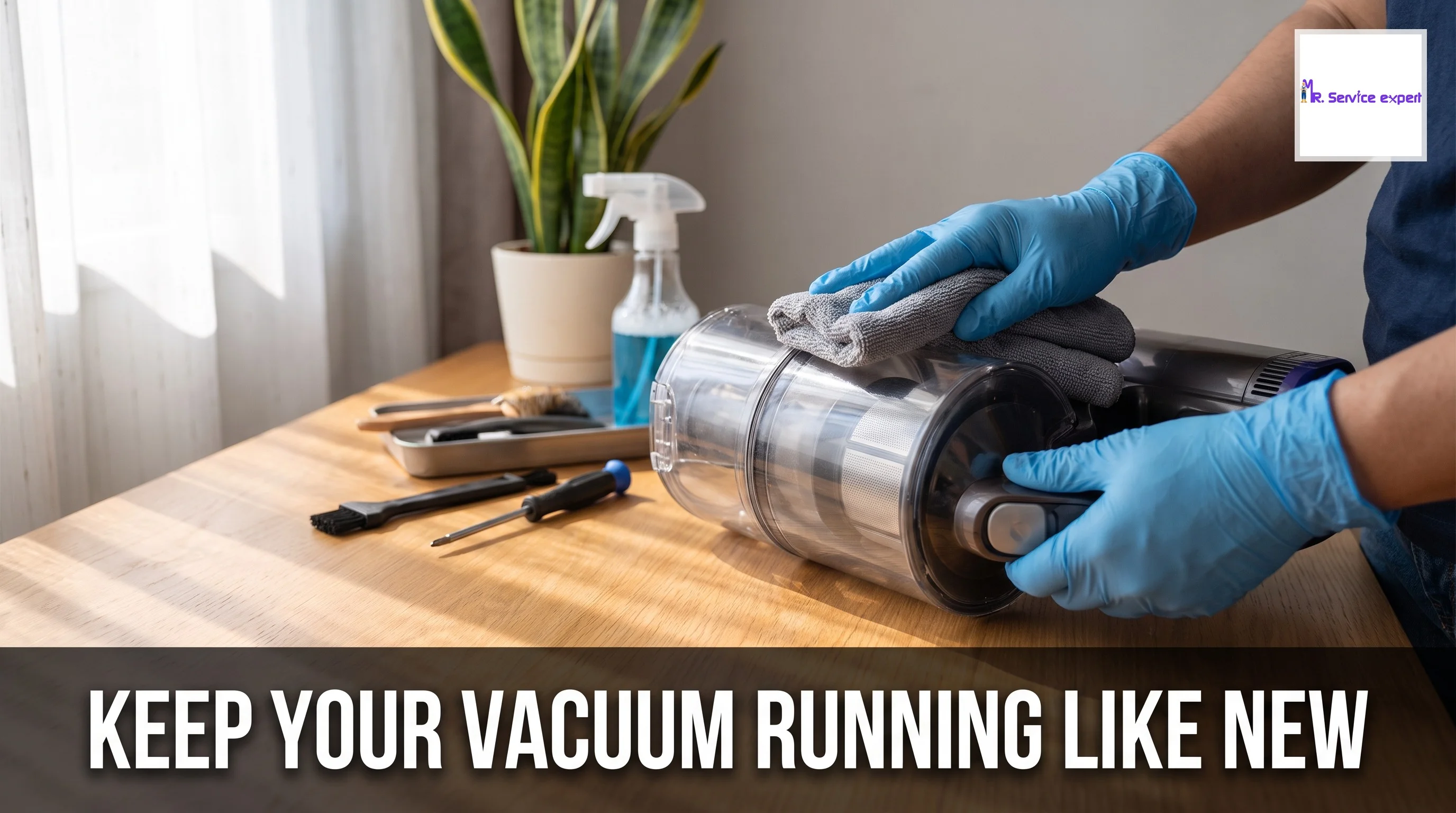
How to Maintain Your Vacuum Cleaner for Long-Lasting Performance
A vacuum cleaner is one of the most hardworking appliances in your home, silently battling dust, dirt, pet hair, and debris every day. Whether you live in a spacious apartment in Mumbai or a cozy home in Bangalore, your vacuum cleaner is your trusted companion in maintaining a clean living space. However, like any electrical appliance, it requires regular attention and proper vacuum cleaner maintenance to deliver consistent performance year after year.
Many Indian households invest thousands of rupees in purchasing a quality vacuum cleaner, yet few people understand the importance of proper vacuum cleaner care tips that can dramatically extend the appliance's lifespan. Without regular maintenance, even the most expensive models can lose suction power, develop unpleasant odours, or suffer mechanical failures that lead to costly repairs or premature replacement. The good news is that maintaining your vacuum cleaner is neither complicated nor time-consuming.
Regular maintenance not only ensures your vacuum cleaner performs at its peak efficiency but also improves indoor air quality by preventing dust and allergens from being redistributed into your home. In Indian homes where dust accumulation is a constant challenge due to open windows, traffic pollution, and construction activities, a well-maintained vacuum becomes even more critical for family health. Simple habits like emptying the dust container regularly, cleaning filters, and checking for blockages can make the difference between a vacuum that lasts three years and one that serves you faithfully for a decade.
The reality is that most vacuum cleaner problems stem from neglect rather than manufacturing defects. A clogged filter reduces suction power by up to sixty percent, while a full dust bag or container forces the motor to work harder, consuming more electricity and generating excessive heat. These issues are entirely preventable with basic vacuum cleaning routines that take just a few minutes after each use or once a week depending on your usage patterns.
This comprehensive guide will walk you through everything you need to know about vacuum cleaner maintenance, from daily quick checks to monthly deep cleaning procedures. Whether you own an upright model, a canister vacuum, a handheld device, or a robot vacuum, these vacuum cleaner care tips will help you maximize your investment and enjoy consistently powerful cleaning performance for years to come.
Understanding Your Vacuum Cleaner Components
Before diving into maintenance procedures, it is essential to familiarize yourself with the key components of your vacuum cleaner. Most models, regardless of type or brand, share common parts that require regular attention. The motor is the heart of your vacuum, generating the suction power that lifts dirt from surfaces. The dust collection system, whether a bag or bagless container, stores the debris until emptied. Filters trap fine particles and allergens, preventing them from escaping back into the air.
The brush roll or beater bar agitates carpet fibres and loosens embedded dirt, while the hose and attachments allow you to reach various surfaces and tight spaces. The belt connects the motor to the brush roll, enabling it to rotate and sweep up debris effectively. Understanding how these components work together helps you identify potential problems early and perform appropriate maintenance tasks. Each part plays a critical role in overall performance, and neglecting any single component can compromise the entire system.
Indian market vacuum cleaners often come with multiple attachments designed for different surfaces commonly found in homes here, such as marble floors, carpets, upholstery, and curtains. These accessories also require cleaning and proper storage to prevent damage. The power cord and its storage mechanism need inspection to avoid fraying or tangling that could create safety hazards. Modern vacuum cleaners may include additional features like HEPA filters, UV sterilization lights, or water filtration systems, each requiring specific maintenance protocols.
Taking time to read your vacuum cleaner's user manual provides valuable manufacturer-specific guidance on maintenance intervals and procedures. Different models have varying requirements, and following the recommended schedule ensures warranty compliance while optimizing performance. Many people discard the manual immediately after purchase, but keeping it accessible serves as a helpful reference whenever you need to troubleshoot issues or perform less frequent maintenance tasks.
Daily and Weekly Vacuum Cleaner Care Tips
Establishing a regular maintenance routine is the cornerstone of vacuum cleaner maintenance. After each use or at least once weekly for frequent users, empty the dust container or replace the bag when it reaches three-quarters full. Operating a vacuum with an overfilled dust collection system significantly reduces suction power and forces the motor to strain unnecessarily. For bagless models, empty the container outdoors or directly into a garbage bag to minimize dust exposure and prevent particles from resettling in your home.
Check the brush roll after every few uses, especially if you have pets or long-haired family members. Hair, threads, and string often wrap around the brush, impeding its rotation and reducing cleaning effectiveness. Use scissors to carefully cut away tangled debris, taking care not to damage the bristles. Some vacuum cleaners feature removable brush rolls that make this task simpler. In Indian homes with marble or tile flooring, disable the brush roll when cleaning hard surfaces to prevent scattering debris and potential scratching.
Inspect the hose and attachments weekly for blockages that restrict airflow. A simple test involves turning on the vacuum and placing your hand near the hose opening to feel the suction strength. Reduced suction often indicates a clog somewhere in the system. You can use a broomstick or straightened wire hanger to carefully dislodge obstructions, working gently to avoid puncturing the hose. Detach tools and attachments, checking their openings for accumulated lint or debris that might have hardened over time.
Wipe down the exterior surfaces of your vacuum cleaner with a slightly damp cloth to remove dust buildup. Pay special attention to vents and exhaust areas where dust tends to accumulate. Clean wheels and swivels to ensure smooth maneuverability across different floor types. This simple vacuum cleaning habit prevents dirt from transferring back onto your freshly cleaned floors. Store your vacuum in a clean, dry area away from moisture and extreme temperatures that could damage electronic components or degrade plastic parts.
Filter Maintenance for Optimal Performance
Filters represent perhaps the most critical aspect of vacuum cleaner maintenance, yet they are frequently overlooked by users. Most vacuum cleaners have at least two filters: a pre-motor filter that protects the motor from large particles and a post-motor or exhaust filter that captures fine dust before air is released back into the room. HEPA filters, increasingly common in Indian market models, trap ninety-nine point nine seven percent of particles as small as zero point three microns, making them essential for allergy sufferers and families with young children.
Washable foam or cloth filters should be cleaned every month or more frequently if you vacuum daily or tackle particularly dusty areas. Remove the filter according to manufacturer instructions and rinse it under cool running water until the water runs clear. Avoid using hot water or cleaning agents, as these can damage the filter material. Gently squeeze out excess water without twisting or wringing, which could tear the filter. Allow it to air dry completely for at least twenty-four hours before reinstalling, as inserting a damp filter can promote mold growth and damage the motor.
Non-washable filters require replacement according to the manufacturer's schedule, typically every three to six months depending on usage intensity. Signs that a filter needs replacement include persistent odours even after cleaning, visible discoloration or damage, reduced suction power, and increased dust in the air during vacuuming. While replacement filters represent an ongoing expense, they cost significantly less than Vacuum Cleaner repair bills resulting from motor damage caused by clogged or failing filters.
For households dealing with heavy dust exposure common in Indian cities, consider keeping spare filters on hand to avoid disruption when replacements become necessary. Some advanced models feature filter replacement indicators that alert you when maintenance is due. Mark your calendar or set smartphone reminders to check filters monthly, making this task part of your regular home maintenance routine alongside other appliance care activities.
Monthly Deep Cleaning and Inspection
Beyond weekly quick maintenance, schedule a monthly deep cleaning session for comprehensive vacuum cleaner care tips implementation. Begin by completely disassembling all removable parts, including the dust container, filters, brush roll, hose, and attachments. Wash plastic components with warm soapy water, rinse thoroughly, and dry completely before reassembly. This prevents the buildup of sticky residues and eliminates odours that develop from accumulated organic matter.
Inspect the belt for signs of wear, stretching, or cracking. Belts typically need replacement every six to twelve months depending on usage frequency and the surfaces you vacuum. A worn belt slips on the brush roll pulley, reducing agitation effectiveness and potentially producing a burning rubber smell. Replacement belts are inexpensive and widely available, making this a simple do-it-yourself task that saves considerably compared to professional vacuum cleaner servicing costs.
Check the vacuum's wheels and axles for hair and debris that can impede movement. Clean the wheel wells and apply a small amount of lubricant if recommended by the manufacturer. Examine the power cord carefully for any signs of fraying, exposed wires, or damage to the plug. Electrical issues pose serious safety risks and should be addressed immediately through professional Vacuum Cleaner Service if home repairs are not advisable.
Use compressed air or a soft brush to clean motor vents and cooling fins, removing dust that can cause overheating. Never operate your vacuum if you notice unusual sounds, burning smells, or reduced performance, as continued use could cause further damage. During monthly inspections, test all attachments to ensure they fit securely and function properly. Replace any damaged or worn accessories to maintain cleaning versatility and effectiveness across different surfaces in your home.
Specialized Maintenance for Different Vacuum Types
Different vacuum cleaner designs require tailored maintenance approaches. Upright vacuums, popular in Indian homes with carpeted areas, need particular attention to the brush roll and belt system. The upright design places these components under constant stress, making regular inspection crucial. Remove the bottom plate monthly to clean the brush housing thoroughly and check for objects that might have become lodged during use.
Canister vacuums with their separate motor unit and cleaning head require careful hose maintenance to prevent kinks and cracks that develop from improper storage. Always hang or coil the hose properly rather than leaving it twisted or bent. The flexible hose material can deteriorate over time, especially in hot climates, so inspect it regularly for signs of wear. Check the connection points between the hose and both the canister and power head, tightening any loose fittings to maintain strong suction.
Handheld and cordless vacuum cleaners need special attention to battery care for optimal lifespan and performance. Follow manufacturer guidelines for charging cycles, typically avoiding complete discharge and not leaving the unit permanently on the charger once fully charged. Clean charging contacts regularly with a dry cloth to ensure proper electrical connection. Store cordless models in a cool location, as excessive heat degrades battery capacity over time.
Robot vacuum cleaners, gaining popularity in Indian metros, require daily brush and sensor cleaning to navigate effectively. Empty their small dust bins after each cleaning cycle and wipe sensors and charging contacts weekly. Check wheels for tangled hair and clean cliff sensors that prevent falls. Replace side brushes every three to six months and main brushes annually. Update firmware when available to benefit from performance improvements and bug fixes provided by manufacturers.
Common Problems and Preventive Solutions
Understanding common vacuum cleaner issues helps you implement preventive vacuum cleaner maintenance strategies. Loss of suction, the most frequent complaint, typically results from full dust containers, clogged filters, blocked hoses, or worn belts. Establishing a regular emptying and cleaning schedule prevents most suction-related problems. If suction remains weak after addressing these factors, the motor may require professional evaluation.
Unusual noises often indicate foreign objects caught in the brush roll or impeller fan, worn bearings, or loose components. Stop using the vacuum immediately when you hear grinding, squealing, or rattling sounds. Continuing operation can transform a minor issue into expensive damage requiring extensive Vacuum Cleaner repair work. Inspect accessible areas for obvious problems, but consult a professional for internal mechanical issues.
Unpleasant odours emanate from accumulated organic matter in the dust collection system, dirty filters, or mold growth in damp components. Regular emptying and cleaning prevent most smell issues. For persistent odours, try vacuuming baking soda or placing dryer sheets in the dust bag or container. Ensure all washable parts are completely dry before reassembly to prevent mold and mildew.
Overheating usually results from restricted airflow due to clogs, dirty filters, or blocked vents. Most modern vacuums include thermal protection that automatically shuts off the motor when it reaches unsafe temperatures. Allow the unit to cool completely, then identify and resolve the airflow restriction before resuming use. Frequent overheating indicates a serious problem requiring professional vacuum cleaner servicing to prevent permanent motor damage.
Extending Vacuum Cleaner Lifespan Through Proper Usage
Proper operation habits significantly impact vacuum cleaner longevity and complement regular maintenance efforts. Always start with the lowest appropriate suction setting and increase power only as needed. Maximum power is not always necessary and causes unnecessary wear on the motor. Adjust brush height settings for different floor types, keeping brushes away from hard surfaces where they provide no benefit and may scatter debris rather than collecting it.
Avoid vacuuming wet spills with dry vacuum cleaners, as moisture can damage the motor, promote mold growth, and ruin filters. Pick up large objects before vacuuming to prevent clogs and potential damage to internal components. Sharp objects can puncture hoses or bags, while items like coins and small toys can jam the impeller or brush roll. A quick pre-vacuum sweep of visible large debris saves repair costs and frustration.
Allow the motor to cool between extended cleaning sessions, especially in Indian summer heat. Operating a vacuum continuously for more than thirty to forty minutes can cause overheating even with proper maintenance. Break large cleaning projects into manageable segments with cooling periods in between. This practice is particularly important for older vacuum cleaners or less expensive models with less robust thermal protection.
Store your vacuum properly between uses to protect it from damage and extend its service life. Keep it in a dry area away from direct sunlight and temperature extremes. Use cord hooks or wraps to prevent tangling and strain on electrical connections. Store attachments organized in their designated spaces to prevent loss and damage. A well-stored vacuum remains ready for immediate use and avoids the deterioration that occurs when appliances are left in damp garages or balconies exposed to weather elements.
Cost Comparison of Maintenance Versus Replacement
Regular vacuum cleaner maintenance represents a small investment that yields substantial returns. Consider that quality vacuum cleaners in India range from five thousand to thirty thousand rupees depending on features and type. Annual maintenance costs including replacement filters, belts, and occasional part replacements typically total between five hundred to fifteen hundred rupees, a fraction of replacement cost.
| Maintenance Item | Frequency | Approximate Cost (INR) |
|---|---|---|
| Replacement filters | Every 3-6 months | 200-800 per set |
| Belt replacement | Every 6-12 months | 100-300 |
| Brush roll replacement | Every 1-2 years | 400-1200 |
| Professional servicing | Annual deep clean | 500-1500 |
| Total annual cost | - | 800-2000 |
Professional vacuum cleaner servicing costs between five hundred to two thousand rupees depending on the complexity of work required. This expense is minimal compared to purchasing a new unit. More importantly, regular maintenance prevents the catastrophic failures that occur when neglected vacuums suddenly stop working. Emergency repairs often cost more and may reveal damage so extensive that replacement becomes the only practical option.
The environmental impact of premature appliance disposal adds another dimension to the maintenance equation. Electronic waste represents a growing problem in India, and extending the functional life of your vacuum cleaner through proper care contributes to sustainability efforts while saving money.
Discover how regular vacuum cleaner maintenance can extend your appliance's lifespan and ensure optimal cleaning performance. Learn more about simple cleaning routines, filter care, and troubleshooting common issues that affect suction power. Explore further maintenance tips that keep your vacuum running efficiently for years to come.