

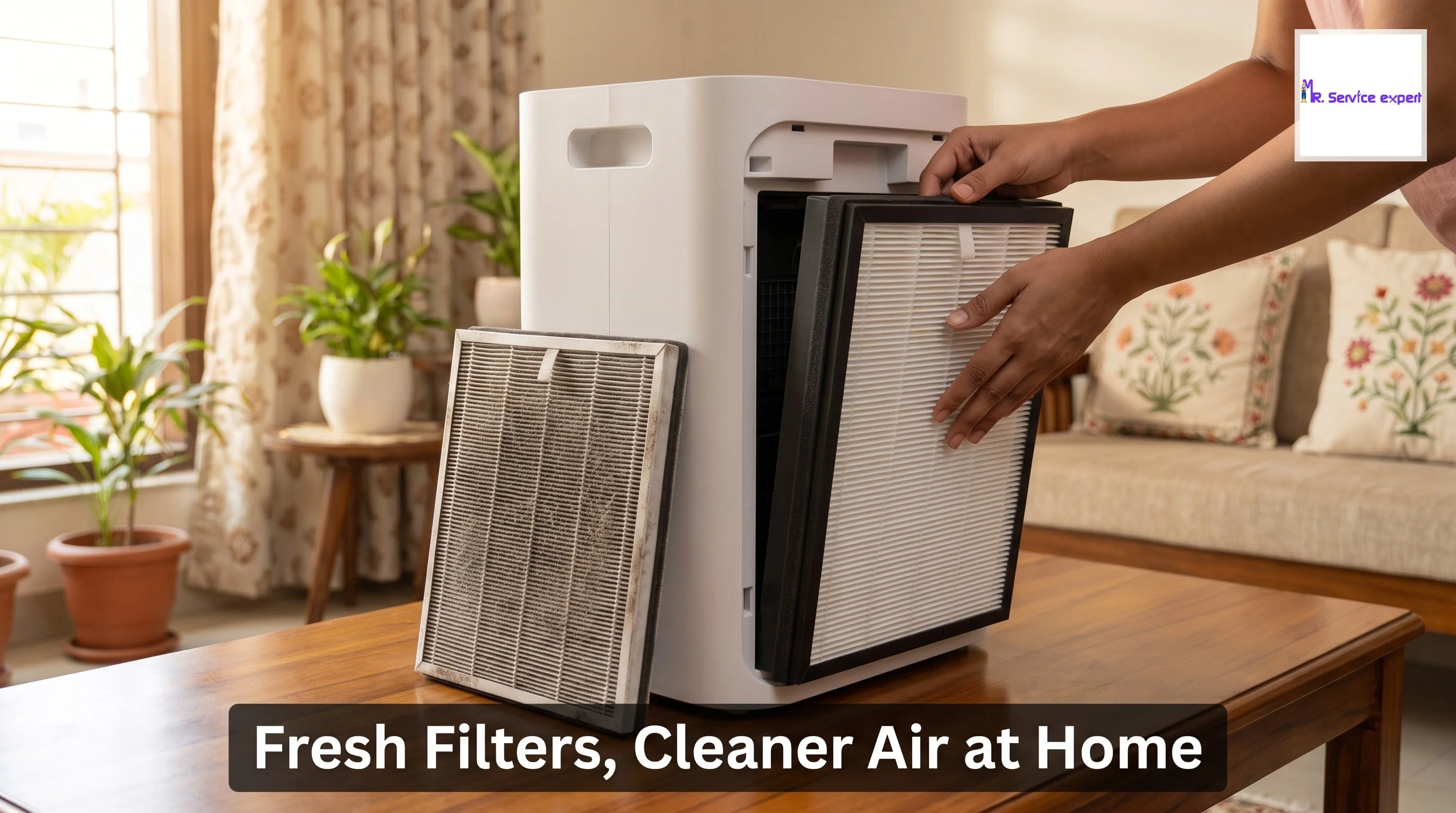
Air Purifier Filter Replacement: When and How Often?
Breathing clean air inside your home has become a necessity rather than a luxury in today's pollution-filled environment. While investing in an air purifier is the first step toward healthier indoor air, many homeowners overlook a crucial aspect that determines the device's effectiveness. Regular air purifier filter replacement is the backbone of maintaining optimal air quality in your living space. Without timely filter changes, your air purifier becomes nothing more than an expensive fan circulating contaminated air.
Understanding when and how often to replace your air purifier filter replacement can seem confusing, especially with different manufacturers suggesting varying timelines. The reality is that filter change frequency depends on multiple factors including usage patterns, air quality levels, and the specific type of filter in your device. Indian homes face unique challenges with high pollution levels in cities and seasonal dust storms, making air purifier maintenance even more critical for families seeking respite from outdoor contamination.
Many people notice their air purifier working harder, making unusual noises, or failing to eliminate odors as effectively as before. These are telltale signs that your filters have reached the end of their functional life. Ignoring these warning signals not only compromises your indoor air quality but can also damage the air purifier motor, leading to costly repairs or premature device replacement.
This comprehensive guide will walk you through everything you need to know about filter replacement timelines, signs indicating the need for a change, and practical maintenance tips to extend filter life. Whether you live in pollution-heavy metropolitan areas or relatively cleaner suburban neighborhoods, understanding air Purifier maintenance will help you maximize your investment while ensuring your family breathes the cleanest possible air.
Understanding Different Air Purifier Filter Types and Their Lifespan
Not all air purifier filters are created equal, and each type has distinct replacement requirements. Pre-filters, which capture large particles like hair and dust, typically need cleaning every two to four weeks and replacement every three to six months depending on usage. These washable or permanent filters serve as the first line of defense, protecting the more expensive internal filters from premature clogging.
HEPA filters are the workhorse of most air purifiers, capturing 99.97% of particles as small as 0.3 microns. In Indian conditions with high particulate matter levels, HEPA filters generally require replacement every six to twelve months. However, homes in heavily polluted cities might need changes as frequently as every four to six months. The dense structure of HEPA filters means they cannot be washed or cleaned – attempting to do so damages the delicate fibers and compromises filtration efficiency.
Activated carbon filters tackle odors, gases, and volatile organic compounds. These filters saturate faster in environments with cooking odors, smoking, or chemical fumes. Most activated carbon filters need replacement every three to six months. Some advanced air purifiers feature combination filters that merge HEPA and carbon layers, with replacement timelines following the shorter of the two requirements.
UV filters and ionizers have different maintenance needs altogether. UV lamps typically last 9,000 to 14,000 hours of operation, translating to approximately one to two years of continuous use. Ionizer plates require periodic cleaning but rarely need complete replacement unless damaged.
Key Factors That Determine Filter Change Frequency
Air quality in your specific location dramatically impacts how quickly filters become saturated with pollutants. Residents of Delhi, Mumbai, Kolkata, or other high-AQI cities will experience faster filter degradation compared to those in less polluted regions. During winter months or harvest seasons when air pollution spikes, filters accumulate particles at accelerated rates, potentially requiring more frequent air purifier filter replacement than manufacturer guidelines suggest.
Usage intensity plays an equally important role. Running your air purifier 24/7 on maximum speed will exhaust filters much faster than operating it intermittently on lower settings. A device running constantly in a 400-square-foot room will need filter changes more frequently than one used only during sleeping hours in similar conditions. Calculate your actual usage hours rather than relying solely on time-based recommendations for more accurate replacement scheduling.
Room size and occupancy levels affect filter performance significantly. Larger rooms or spaces with more people generate higher volumes of dust, skin cells, and other particulates. Homes with pets require more frequent filter changes due to dander and fur accumulation. Similarly, households with members who have allergies or respiratory conditions should prioritize shorter replacement cycles to maintain therapeutic air quality levels.
The quality of the filter itself determines longevity. Genuine manufacturer-approved filters typically last longer and perform better than cheaper alternatives. While aftermarket filters may seem economical initially, they often clog faster, provide inferior filtration, and may even damage your air purifier. Investing in quality filters for proper air purifier maintenance ultimately proves more cost-effective over time.
Warning Signs Your Air Purifier Filter Needs Immediate Replacement
Most modern air purifiers feature indicator lights that alert you when filters need attention. However, these indicators typically work on timer-based algorithms rather than actual filter condition assessment. Learning to recognize physical signs of filter saturation helps you make informed decisions about air purifier filter replacement timing regardless of indicator status.
Visible discoloration is the most obvious sign. When you inspect your filter and see it has changed from white or light gray to dark gray or black, replacement is overdue. This visible dirt accumulation indicates the filter has captured its maximum capacity of particles and can no longer effectively clean your air. Pre-filters showing heavy dust buildup should be cleaned immediately or replaced if cleaning proves ineffective.
Reduced airflow from your air purifier indicates filter clogging. If you notice weaker air output even on high-speed settings, the filter is likely obstructed with accumulated particles. This restriction forces the motor to work harder, increasing energy consumption and potentially shortening the device's lifespan. Unusual noises or vibrations often accompany reduced airflow as the motor strains against resistance.
Persistent odors that your air purifier previously eliminated signal carbon filter saturation. Once activated carbon reaches its absorption capacity, it can no longer trap odor molecules or gases. Some sources suggest saturated carbon filters may even release previously captured pollutants back into the air, though this remains debated. Regardless, lingering cooking smells, pet odors, or chemical scents indicate immediate need for carbon filter replacement.
Allergy symptoms returning despite regular air purifier operation provide another crucial warning. If family members experience increased sneezing, congestion, or respiratory irritation, your air purifier may no longer provide adequate filtration. This situation demands immediate filter inspection and likely replacement to restore healthy indoor air quality.
Optimal Filter Replacement Schedule for Indian Conditions
Creating a practical replacement schedule requires balancing manufacturer recommendations with real-world conditions. For most Indian homes using standard HEPA air purifiers, the following timeline serves as a reliable baseline:
Pre-filters should be cleaned every two weeks and replaced every three to six months. In high-pollution areas or homes with pets, increase cleaning frequency to weekly and consider replacement every three months. Washable pre-filters can last years with proper maintenance but should be replaced if they develop tears or permanent staining.
HEPA filters in metropolitan areas with AQI frequently exceeding 150 need replacement every four to six months. Homes in moderate pollution zones can extend this to six to nine months, while those in cleaner environments might achieve the full twelve-month lifespan. Never exceed fifteen months regardless of location, as even visually clean filters lose efficiency over time.
Activated carbon filters require replacement every three to six months depending on odor exposure. Kitchens, smoking areas, or homes with strong cooking smells need three-month cycles. Standard living spaces can typically extend to four to six months before carbon saturation affects performance.
Track actual usage hours rather than calendar months for more accurate scheduling. Many air purifiers display cumulative operating hours, allowing you to calculate filter life based on manufacturer-specified hour ratings. Maintain a simple log noting installation dates and expected replacement dates to avoid missing critical filter changes.
Extending Filter Life Through Proper Air Purifier Maintenance
While filters inevitably need replacement, proper maintenance practices can maximize their functional lifespan and optimize air purifier performance. Regular pre-filter cleaning prevents larger particles from prematurely clogging HEPA filters. Vacuum pre-filters gently every two weeks or wash them according to manufacturer instructions, ensuring they dry completely before reinstallation to prevent mold growth.
Position your air purifier strategically to reduce filter stress. Place devices away from direct sources of dust, cooking fumes, or smoking areas. Maintain at least one foot of clearance around all sides to ensure proper airflow. Avoid placing air purifiers on carpets or near curtains where they intake higher concentrations of trapped dust and fibers.
Keep your home generally clean to reduce the particulate load on air purifiers. Regular dusting, vacuuming, and proper ventilation decrease the volume of contaminants your air purifier must process. This complementary approach to air purifier maintenance extends filter life while maintaining superior indoor air quality.
Monitor your local air quality index and adjust settings accordingly. Running air purifiers on lower speeds during good air quality days conserves filter capacity for high-pollution periods when maximum performance is essential. Some advanced models offer auto modes that adjust fan speed based on detected air quality, optimizing both filter life and energy consumption.
Store replacement filters properly in sealed packaging away from moisture and extreme temperatures. Exposing unused filters to humidity or contaminants before installation compromises their effectiveness and shortens their functional life once installed.
Cost Considerations and Budget Planning
Understanding the financial aspects of filter replacement helps you budget appropriately for ongoing air purifier maintenance. HEPA filter replacement costs in India typically range from 800 to 3,500 rupees depending on brand and model. Premium brands command higher prices but often deliver superior filtration and longer lifespans, potentially offering better value despite higher upfront costs.
Activated carbon filters cost between 500 and 2,000 rupees, while combination HEPA-carbon filters range from 1,500 to 5,000 rupees. Pre-filters are most economical at 200 to 800 rupees, though washable options eliminate recurring costs. Calculate annual filter replacement expenses based on your specific replacement schedule to understand true ownership costs.
Purchasing filters in bulk or during promotional periods can yield significant savings. Many manufacturers and authorized dealers offer discounts on multi-pack purchases or subscription programs that automatically ship filters at optimal replacement intervals. These programs often include reminders and guaranteed availability, eliminating the risk of prolonged operation with exhausted filters.
Factor filter costs into your initial air purifier selection decision. Models with expensive proprietary filters may have lower purchase prices but higher lifetime costs compared to devices using more affordable standard filters. Calculate five-year total ownership costs including estimated filter replacements for accurate comparison between models.
Conclusion
Maintaining clean indoor air requires more than simply purchasing an air purifier – it demands commitment to regular air purifier filter replacement and diligent maintenance practices. Understanding that filter change frequency depends on your specific environment, usage patterns, and filter types empowers you to make informed decisions that protect your family's health. Indian homes facing unique air quality challenges must pay particular attention to replacement schedules, often requiring more frequent changes than manufacturer guidelines suggest.
The warning signs of saturated filters – visible discoloration, reduced airflow, persistent odors, and returning allergy symptoms – provide clear guidance on when immediate replacement is necessary. By combining these observable indicators with practical replacement schedules and proper AIR Purifier Service techniques, you ensure your device consistently delivers optimal air cleaning performance. Remember that delaying filter replacement not only compromises air quality but may also damage your air purifier, leading to more expensive repairs or replacement. Investing in timely filter changes and proper maintenance practices protects both your health and your air purifier investment for years to come.
Learn more about maximizing your air purifier's performance through proper filter maintenance schedules. Explore further into manufacturer guidelines, filter type variations, and environmental factors that influence replacement timing. Discover how monitoring air quality indicators and filter condition helps you stay informed about optimal replacement intervals for your specific model and usage patterns.