

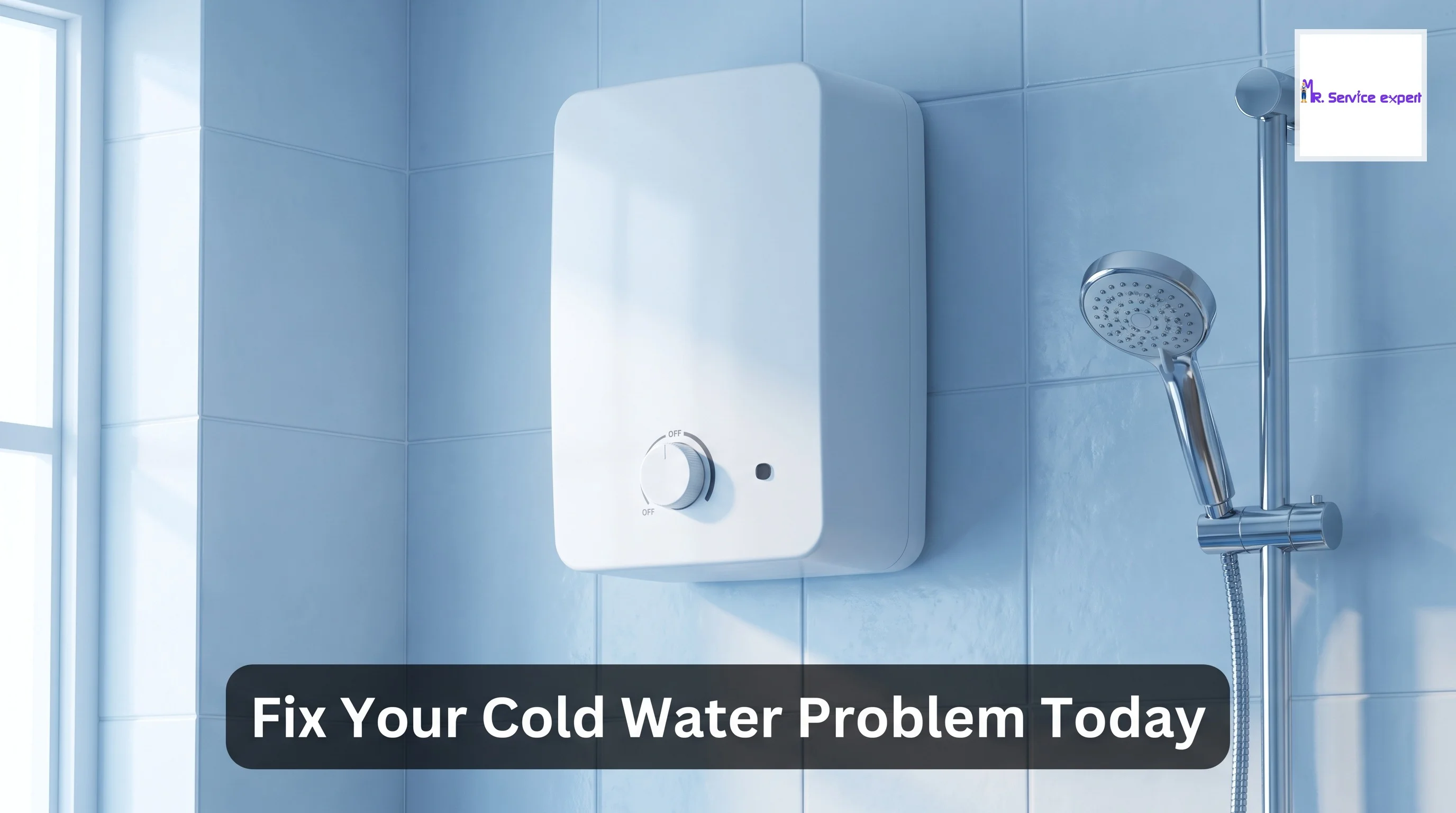
Geyser Not Heating Water? Troubleshooting Guide
Nothing feels worse than turning on your geyser for a warm shower on a cold winter morning, only to be greeted by freezing cold water. If your geyser not heating water properly, you are not alone. Thousands of Indian households face this frustrating issue every year, especially during peak winter months when hot water becomes essential for daily routines. Understanding why your geyser stops working and how to fix it can save you time, money, and unnecessary stress.
Water heaters have become indispensable appliances in Indian homes, particularly in regions experiencing cold weather. Whether you have an electric storage geyser, instant water heater, or gas-based system, heating issues can arise due to various reasons ranging from simple electrical problems to complex component failures. The good news is that many geyser problem can be diagnosed and resolved without immediately calling for professional help.
This comprehensive troubleshooting guide will walk you through the most common reasons behind Geyser repair needs and provide practical solutions you can implement yourself. From checking basic electrical connections to understanding when professional geyser technician intervention becomes necessary, we cover everything you need to know about restoring your water heating system to proper working condition.
Before panicking and assuming your appliance needs replacement, it is worth investigating the root cause. Many heating issues stem from minor problems like tripped circuit breakers, faulty thermostats, or sediment buildup that can be addressed quickly. Knowing how to identify these issues helps you make informed decisions about whether DIY fixes will work or if you need Geyser repair service support.
Throughout this guide, we will explore systematic troubleshooting steps, safety precautions, maintenance tips, and preventive measures to protect your home appliances from future heating failures. By the end, you will have the knowledge and confidence to tackle common water heater problems effectively, ensuring your family enjoys uninterrupted hot water supply throughout the year.
Understanding How Your Geyser Works
Before diving into troubleshooting, understanding the basic functioning of your water heater helps identify problems more accurately. Most Indian households use electric storage geysers that work on a simple principle of heating water through an electric heating element. When you switch on the geyser, electricity flows through the heating element immersed in the water tank, converting electrical energy into heat energy that warms the water.
The thermostat plays a crucial role in this process by regulating water temperature. Once water reaches the preset temperature (usually between 50-70 degrees Celsius), the thermostat automatically cuts off power supply to the heating element. When water temperature drops below the set point, the thermostat switches the element back on, maintaining consistent hot water availability. This automatic cycle continues as long as the geyser remains switched on.
Instant water heaters or tankless geysers work differently. They heat water on demand as it flows through the unit, using high-powered heating elements that activate only when you turn on the hot water tap. These units do not store hot water but provide it continuously as needed, making them energy-efficient for smaller households or specific usage points like kitchen sinks.
Gas geysers operate by burning LPG or natural gas to heat water flowing through a heat exchanger. When you open the hot water tap, gas ignites and heats the water passing through copper coils. These systems are popular in areas with frequent power cuts or where electricity costs are high. Understanding your specific geyser type helps narrow down potential problems when heating issues occur.
Several safety mechanisms are built into modern water heaters, including pressure relief valves, thermal cutoff switches, and earth leakage circuit breakers. These components protect against overheating, excessive pressure buildup, and electrical hazards. Sometimes, these safety features may trip due to minor issues, causing your geyser to stop heating without any actual component failure.
Common Causes of Geyser Not Heating
When your geyser fails to heat water, several factors could be responsible. Identifying the exact cause requires systematic checking of various components and conditions. The most frequent culprit behind geyser problems is a faulty heating element. Over time, heating elements deteriorate due to continuous heating cycles, mineral deposits, and corrosion. A burned-out element simply cannot conduct electricity properly to generate heat, resulting in cold or lukewarm water.
Thermostat malfunction ranks as another leading cause of heating failures. If the thermostat fails to sense water temperature correctly, it may not trigger the heating element to turn on. Conversely, a stuck thermostat might keep the element off permanently, thinking the water is already hot when it is actually cold. Thermostat issues can stem from electrical connection problems, internal component wear, or calibration errors that develop over years of use.
Power supply interruptions create obvious heating problems. Check if your circuit breaker has tripped or if the fuse controlling your geyser has blown. Many people overlook this simple issue and immediately assume major geyser repair is needed. Voltage fluctuations common in Indian electrical grids can also affect heating efficiency, causing the element to underperform even when technically functional.
Sediment accumulation at the tank bottom significantly impacts heating efficiency. Hard water prevalent across many Indian cities contains high mineral content like calcium and magnesium. These minerals precipitate out when water heats up, forming a crusty layer over the heating element and tank bottom. This sediment acts as an insulator, preventing effective heat transfer from element to water, making your geyser work harder and longer to heat water, or fail to heat it adequately.
Faulty wiring or loose electrical connections can interrupt power flow to the heating element. Corroded terminals, damaged wires, or improper connections made during installation can cause intermittent or complete heating failure. Water leakage inside the geyser can also create short circuits that trip safety switches, preventing the unit from heating properly. Age-related wear of internal components, including anode rods, tank lining, and seals, contributes to declining performance and eventual heating failures.
Step-by-Step Troubleshooting Process
Before attempting any troubleshooting, safety comes first. Always turn off the main power supply to your geyser at the circuit breaker panel. Switch off the geyser unit itself and allow at least two hours for water inside to cool down. Working with hot water or live electrical components poses serious injury risks. If you are uncomfortable working with electrical systems, contact a qualified geyser technician immediately.
Start with the simplest checks first. Verify that the geyser switch is turned on and the indicator light (if present) is illuminated. Check your home's main electrical panel for tripped circuit breakers or blown fuses specific to the geyser circuit. Reset any tripped breakers and replace blown fuses, then try operating the geyser again. If the breaker trips repeatedly, this indicates a serious electrical fault requiring professional geyser repair service attention.
Test the power supply reaching your geyser using a voltage tester or multimeter. With power switched on at the breaker (but geyser switch off for safety), check if voltage is present at the geyser connection point. No voltage indicates wiring problems between the panel and geyser. Proper voltage for most residential geysers in India is 230V AC. Significantly lower voltage can cause inadequate heating even with functional components.
Next, examine the thermostat functionality. Most geysers have an adjustable temperature dial or reset button. Try adjusting the temperature setting to maximum and listen for any clicking sound indicating the thermostat engaging. If you have a multimeter and basic electrical knowledge, you can test thermostat continuity by disconnecting wires and checking if contacts close when temperature drops below the set point. A faulty thermostat shows no continuity even when it should be calling for heat.
Inspect the heating element by first draining some water from the tank through the drain valve to lower the water level below the element. Remove the element cover plate (usually held by screws) and carefully disconnect the electrical wires after ensuring power is off. Using a multimeter set to measure resistance (ohms), test the heating element. A functional element typically shows resistance between 10-30 ohms depending on wattage. Zero resistance indicates a short circuit, while infinite resistance means the element is burned out and needs replacement.
Check for visible signs of damage like corrosion, mineral buildup on element surface, or water leakage around electrical components. Inspect all wire connections for tightness and signs of burning or corrosion. Loose connections create resistance that generates heat, potentially damaging wires and reducing current flow to the element. Tighten any loose terminals and clean corroded connections with fine sandpaper.
If all electrical components test fine but heating remains poor, sediment buildup likely hampers efficiency. Drain the tank completely through the drain valve at the bottom. You may notice thick, discolored water initially, followed by sediment particles. Flush the tank several times by opening the cold water inlet while keeping the drain valve open until water runs clear. This process removes accumulated minerals and restores heating efficiency.
Types of Geyser Problems and Solutions
Different geyser configurations experience unique issues requiring specific solutions. Storage water heaters, the most common type in Indian homes, typically face problems related to element burnout, thermostat failure, and sediment accumulation. For these units, regular maintenance including annual draining and element inspection prevents most heating failures. When problems occur, replacement parts like elements and thermostats are readily available at affordable prices ranging from Rs. 300 to Rs. 1500 depending on brand and specifications.
Instant water heaters or tankless geysers encounter different challenges. These units heat water rapidly using high-wattage elements, making them susceptible to scaling in hard water areas. Reduced water flow through the heat exchanger due to scale buildup causes overheating protection to activate, shutting down the unit. Regular descaling using citric acid or vinegar solutions maintains optimal performance. Flow sensor failures also plague instant geysers, causing them to not activate even when taps are opened. Cleaning or replacing flow sensors typically costs between Rs. 500 to Rs. 2000.
Gas geysers present their own set of issues, primarily related to pilot light failures, burner blockages, and gas supply problems. If your gas geyser does not heat water, first check if the pilot light is lit. Relighting procedures vary by model but generally involve holding a reset button while igniting the pilot. Burner ports can become clogged with carbon deposits or insect debris, requiring periodic cleaning with a wire brush. Gas pressure issues or regulator malfunctions may need professional intervention from qualified gas appliance technicians.
Solar water heaters increasingly popular in Indian homes face unique problems like vacuum tube damage, circulation pump failures, and sensor malfunctions. Broken vacuum tubes lose their insulation properties, drastically reducing heating efficiency. Replacing individual tubes costs between Rs. 800 to Rs. 2000 each. Circulation pumps in active solar systems may fail due to electrical issues or mechanical wear, preventing hot water from reaching storage tanks. Checking pump operation and electrical connections resolves many solar geyser heating problems.
Heat pump water heaters, though less common in residential settings, sometimes experience compressor failures or refrigerant leaks that reduce heating capacity. These sophisticated systems require specialized technicians for repairs and are not suitable for DIY troubleshooting. If you suspect heat pump issues, contact authorized service centers rather than attempting repairs yourself.
When to Call a Professional Geyser Technician
While many geyser problems can be resolved through DIY troubleshooting, certain situations absolutely require professional expertise. Any issue involving gas connections, gas leaks, or gas burner adjustments should only be handled by certified gas appliance technicians. Gas-related mistakes can lead to explosions, carbon monoxide poisoning, or fire hazards that endanger your entire household. Never attempt gas geyser repairs yourself unless you have proper training and certification.
Electrical problems beyond basic connection checks warrant professional help. If you have tested components but still cannot identify the cause of heating failure, a qualified electrician or geyser repair specialist brings diagnostic equipment and experience that saves time and prevents further damage. Attempting complex electrical repairs without proper knowledge risks electric shock, component damage, or creating fire hazards through incorrect wiring.
Water leakage from the tank itself (not from valves or pipes) usually indicates tank corrosion or weld failure. These problems are generally irreparable, meaning tank replacement or complete geyser replacement becomes necessary. A professional can assess whether repair is feasible or if investing in a new unit makes more economic sense. For geysers older than eight years showing tank leakage, replacement is typically the better option.
Repeated component failures signal deeper systemic issues that require expert diagnosis. If you have replaced the heating element or thermostat but problems recur within months, factors like voltage instability, improper sizing, or installation errors may be responsible. Professionals can evaluate your electrical supply quality, water hardness levels, and usage patterns to recommend appropriate solutions or system modifications.
Warranty considerations also dictate when to call professionals. If your geyser is still under manufacturer warranty, attempting DIY repairs often voids that coverage. Contact authorized service centers for warranty repairs to ensure you do not lose valuable protection. Even minor interventions like opening sealed compartments or removing warranty stickers can nullify manufacturer obligations, leaving you financially responsible for subsequent failures.
Safety concerns should always override cost considerations. If you smell burning electrical insulation, notice smoke, see sparking connections, or feel uncomfortable around any aspect of geyser troubleshooting, immediately turn off power and contact a qualified geyser technician. Your safety and your family's wellbeing are worth far more than potential service call costs, which typically range from Rs. 300 to Rs. 800 depending on your location and service provider.
Preventive Maintenance to Avoid Future Problems
Regular maintenance significantly extends geyser lifespan and prevents unexpected heating failures. Annual professional servicing costs between Rs. 500 to Rs. 1500 but saves thousands in premature replacement costs. During professional service, technicians drain tanks, inspect heating elements, test thermostats, check safety valves, and clean internal components. This comprehensive maintenance catches developing problems before they cause complete failures.
Homeowners can perform simple maintenance tasks themselves. Drain your geyser tank every six months, especially in hard water areas. This simple procedure removes sediment accumulation that impairs heating efficiency and damages elements. The draining process takes about 30 minutes and requires no special tools, just a garden hose attached to the drain valve. Regular draining can double the lifespan of heating elements, which typically cost Rs. 800 to Rs. 2000 to replace.
Test the pressure relief valve quarterly by lifting the lever and allowing some water to discharge. This valve prevents dangerous pressure buildup inside the tank and must function properly. If water does not flow when you lift the lever, or if the valve drips constantly, replacement is necessary. Faulty pressure relief valves create safety hazards including tank rupture, making their maintenance critical to protect your home appliances and family.
Install a water softener or descaling device if you live in hard water areas. These systems prevent mineral accumulation that causes most geyser problems in Indian cities like Delhi, Jaipur, Pune, and Bangalore where water hardness exceeds 200 parts per million. Water softeners cost between Rs. 8000 to Rs. 25000 depending on capacity and technology, but they protect not just your geyser but all water-using appliances and plumbing fixtures.
Monitor energy consumption patterns as unusual increases may indicate developing problems. A geyser taking longer to heat water or cycling more frequently suggests element scaling, thermostat drift, or tank insulation degradation. Addressing these issues early prevents complete failures and reduces electricity bills. Smart energy monitors available for Rs. 1500 to Rs. 3000 help track appliance-level consumption and identify inefficiencies.
When your geyser stops heating water, the culprit could be a faulty thermostat, burnt heating element, sediment buildup, or electrical issues like tripped breakers. Learn more about diagnostic steps to identify whether it's a minor fix you can handle yourself or requires professional attention. Explore further into maintenance practices that prevent future breakdowns and discover how regular flushing and temperature checks extend your geyser's lifespan while ensuring consistent hot water supply throughout winter.