
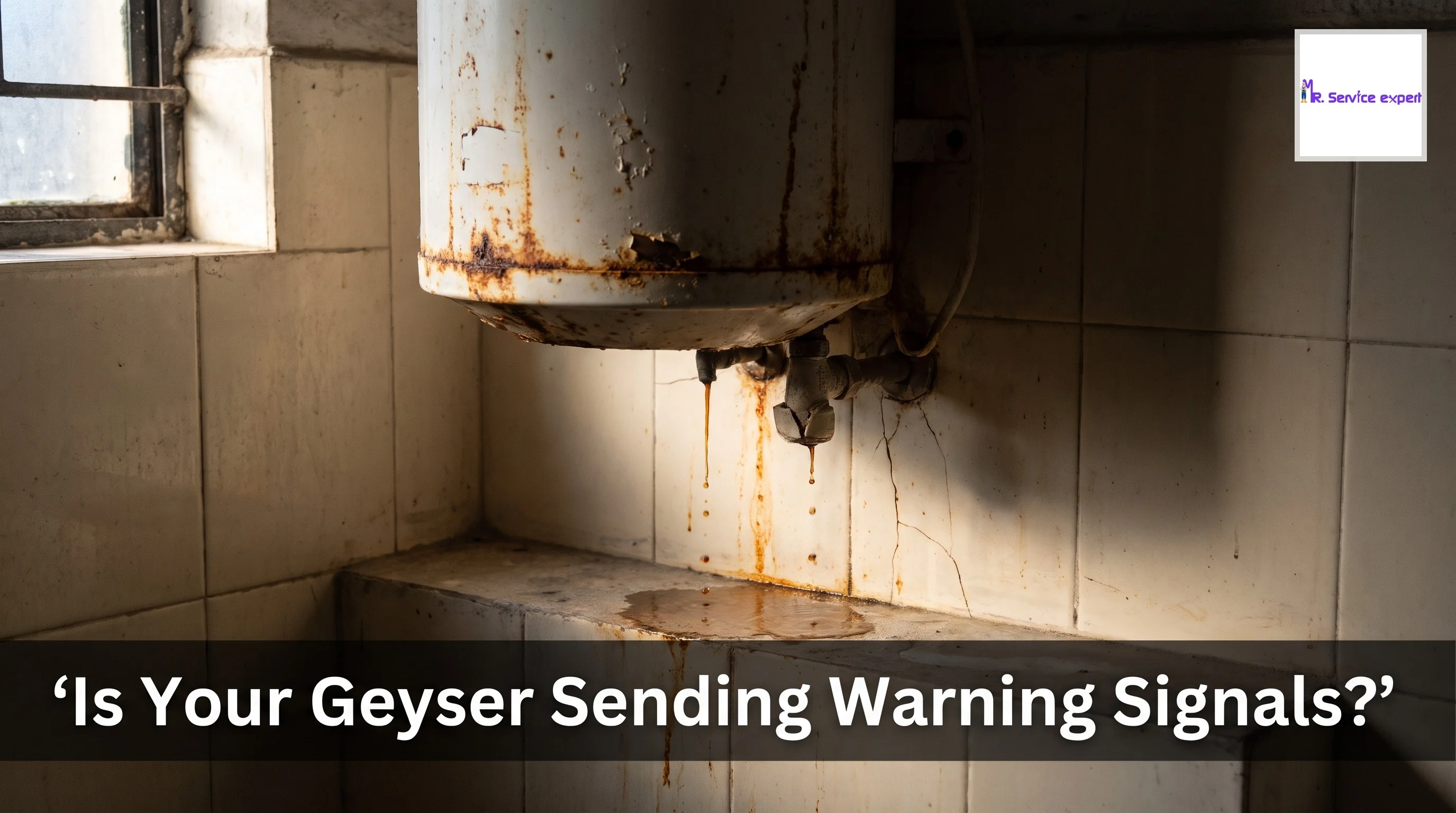
Signs Your Geyser Needs Replacement
A reliable hot water supply is essential for comfortable living, especially during the cold winter months that sweep across various parts of India. Your geyser works tirelessly behind the scenes, providing warm water for bathing, washing, and daily household tasks. However, like all appliances, geysers have a limited lifespan and eventually show signs of wear and tear that cannot be ignored. Recognizing the geyser replacement signs early can save you from unexpected cold showers, costly water damage, and skyrocketing electricity bills. Many homeowners struggle to determine whether their water heater needs a simple repair or complete replacement, often delaying the decision until a major breakdown occurs. Understanding old geyser problems helps you make informed decisions about your home comfort system before minor issues escalate into expensive emergencies. This comprehensive guide explores the critical warning signals that indicate your geyser has reached the end of its functional life and requires replacement rather than another temporary fix. Whether you are experiencing strange noises, discolored water, or inconsistent temperatures, these symptoms reveal important information about your appliance's condition and overall safety.
The average lifespan of a storage water heater in Indian households ranges between 8 to 12 years, depending on water quality, usage patterns, maintenance frequency, and the initial build quality of the unit. Instant geysers typically last slightly longer, around 10 to 15 years, due to their simpler construction and reduced internal corrosion. However, various factors can significantly shorten this expected lifespan, including hard water with high mineral content, irregular servicing, constant overheating, and manufacturing defects. As your geyser ages, components deteriorate, efficiency decreases, and safety risks increase, making timely replacement not just a matter of convenience but also household safety. The decision between geyser repair vs replace often comes down to the severity of the problem, the age of the unit, and the cost-effectiveness of continued repairs versus investing in a new, energy-efficient model. Many homeowners waste money on repeated repairs for aging geysers when replacement would prove more economical in the long run.
Recognizing these warning signs early allows you to plan your geyser replacement budget, research suitable models for your household needs, and schedule installation at a convenient time rather than dealing with an emergency situation. Modern geysers offer improved energy efficiency, advanced safety features, better temperature control, and longer warranties compared to models from a decade ago. By understanding when your old geyser has truly reached retirement age, you protect your family from safety hazards, reduce energy waste, and ensure consistent hot water availability throughout your home. This article examines the most common and critical indicators that your geyser needs replacement, helping you make a confident decision about your home's hot water system.
Age of Your Geyser Exceeds Manufacturer Recommendations
The chronological age of your water heater serves as the primary indicator for replacement consideration, regardless of its apparent functionality. Most geyser manufacturers design their products with an expected operational lifespan clearly stated in the product documentation and warranty terms. When your unit approaches or surpasses this timeframe, the internal components have undergone significant wear, corrosion has compromised structural integrity, and efficiency has declined substantially from original specifications. Even if your old geyser still produces hot water, aging beyond the recommended lifespan increases the probability of sudden failure, water damage, and safety hazards including electrical shorts or tank ruptures.
Storage water heaters in India typically display their manufacturing date on the rating plate or sticker attached to the unit's exterior. This information usually appears as a serial number that includes month and year codes, which you can decode using the manufacturer's format or by consulting with a geyser technician during routine service visits. If your geyser was installed between 2014 and 2018, it has now reached or exceeded the typical replacement window, making it a prime candidate for upgrade regardless of current performance. The cumulative effect of daily heating cycles, thermal expansion and contraction, mineral deposit accumulation, and component degradation means that failure becomes increasingly likely with each passing year beyond the design lifespan.
Additionally, technological advancements in water heating over the past decade mean that newer models offer significantly better energy efficiency ratings, potentially reducing your electricity bills by 20 to 35 percent compared to older units. Modern geysers incorporate improved insulation materials, more efficient heating elements, digital temperature controls, and smart features that optimize energy consumption based on usage patterns. The initial investment in geyser replacement often pays for itself within three to five years through reduced electricity costs, especially for households with high hot water consumption. When evaluating whether to repair or replace an aging unit, consider that parts for geysers older than 10 years become increasingly difficult to source, and repair costs escalate as technicians spend more time diagnosing problems in outdated systems.
Visible Rust and Corrosion on Tank or Components
Rust formation on your geyser's exterior surface, connecting pipes, or pressure relief valve represents one of the most serious geyser replacement signs that demands immediate attention. Corrosion indicates that moisture has compromised the protective coatings and metal layers, creating pathways for further deterioration that accelerates structural weakness. When rust appears on the outside of your storage tank, it often signals more extensive corrosion occurring inside the tank where you cannot see it, as internal rusting typically begins long before external manifestations become visible. The sacrificial anode rod inside storage geysers protects the tank lining from corrosion by attracting corrosive elements in the water, but once this rod depletes completely, which typically occurs after 5 to 8 years, the tank itself becomes vulnerable to rapid rusting.
External rust often begins at connection points where pipes join the geyser, around the temperature and pressure relief valve, or at the bottom of the tank where condensation accumulates. These areas remain particularly susceptible because they experience constant moisture exposure combined with temperature fluctuations that accelerate oxidation processes. Rust-colored water flowing from your hot water taps clearly indicates internal tank corrosion, as the discoloration comes from iron oxide particles suspended in the water supply. This rusty water not only stains bathroom fixtures and laundry but also suggests that the tank walls have thinned considerably, increasing the risk of leaks or catastrophic failure.
Corrosion on the heating element or thermostat housing represents another critical concern that typically requires complete unit replacement rather than component substitution. When these essential parts show rust damage, the corrosive environment inside your geyser has reached an advanced stage that will continue attacking any new parts installed, making repairs ineffective and wasteful. Professional geyser service technicians can assess the extent of corrosion during inspection, but visible external rust almost always indicates that replacement offers the only reliable solution. Attempting to repair heavily corroded geysers may temporarily restore function, but the underlying structural compromise remains, leading to repeated failures, water damage risks, and potential safety hazards including electrical shorts when rust affects wiring connections or heating elements.
Persistent Water Leakage from Tank or Connections
Water leakage from your geyser constitutes one of the most urgent old geyser problems requiring immediate professional evaluation and likely replacement. While minor dripping from the temperature and pressure relief valve during heating cycles may be normal, continuous water pooling beneath your geyser, moisture streaks on walls, or dripping from tank seams indicates serious structural failure. Storage tank leaks typically result from internal corrosion that has eaten through the metal walls, creating holes or cracks that allow pressurized hot water to escape. These leaks rarely improve with time and usually worsen rapidly as water pressure and thermal stress exploit weaknesses in the compromised tank structure.
The location of the leak provides important clues about severity and repair feasibility. Leaks from pipe connections, valve fittings, or the drain valve may be repairable by tightening connections or replacing washers and gaskets, representing relatively minor maintenance issues that a skilled geyser technician can address during a service visit. However, leaks emanating from the tank body itself, particularly from the bottom or welded seams, signal irreversible structural failure that necessitates complete geyser replacement. The bottom of storage tanks accumulates sediment and experiences the most intense corrosion, making this area especially prone to failure in aging units.
Even small leaks pose significant risks beyond the immediate water damage they cause to ceilings, walls, and flooring. Continuous moisture creates ideal conditions for mold growth, which presents health hazards and requires expensive remediation. Water dripping near electrical connections increases electrocution risks and may cause short circuits that damage your home's electrical system. The cumulative water damage from a persistent geyser leak often costs far more to repair than the expense of proactive replacement would have been. Additionally, water wastage from leaking geysers increases your utility bills while contributing to environmental strain in water-scarce regions of India.
When you discover any leak, immediately turn off the water supply to the geyser and switch off electrical power to prevent safety hazards while you arrange for professional inspection. Document the leak location with photographs and note when you first observed the problem, as this information helps technicians diagnose the underlying cause and recommend appropriate solutions. Insurance claims for water damage caused by geyser failure often require evidence that you maintained the unit properly and responded promptly to warning signs, making documentation valuable for potential coverage. The decision between geyser repair vs replace becomes straightforward when dealing with tank body leaks, as no economically viable repair option exists for structural tank failures.
Inconsistent Water Temperature and Inadequate Heating
Fluctuating water temperatures or insufficient heating capacity rank among the most common old geyser problems that homeowners encounter as their water heaters age. When you notice that morning showers start hot but quickly turn lukewarm, or that your geyser takes significantly longer to heat water than it did when new, these symptoms indicate declining efficiency and component deterioration. Heating element failure, thermostat malfunction, sediment accumulation, or reduced tank capacity from internal corrosion all contribute to temperature inconsistency and inadequate hot water supply.
Sediment buildup represents a particularly common cause of heating problems in areas with hard water, which includes most Indian cities and towns. Minerals such as calcium and magnesium precipitate out of heated water and settle at the tank bottom, forming an insulating layer between the heating element and water. This sediment barrier forces the heating element to work harder and longer to transfer heat to the water, reducing efficiency and increasing electricity consumption while delivering less hot water. Regular flushing can remove sediment in newer geysers, but in units older than 8 years, the accumulated mineral deposits often harden into thick layers that resist removal and may have already damaged the heating element.
Thermostat failure causes erratic temperature control, with water becoming dangerously hot or remaining frustratingly lukewarm regardless of your temperature setting. While replacing a faulty thermostat is relatively straightforward and inexpensive, persistent temperature problems despite thermostat replacement suggest deeper issues with the geyser's heating system or tank condition. Similarly, heating element replacement might restore function temporarily, but if your geyser requires frequent element changes, the corrosive internal environment is destroying components faster than normal, indicating that complete replacement will soon become necessary.
Reduced hot water capacity becomes noticeable when your geyser no longer provides enough hot water for your household's needs despite unchanged usage patterns. A 25-liter geyser that previously supplied sufficient hot water for two consecutive showers but now barely manages one indicates either tank capacity loss from internal corrosion or severe efficiency decline. As the internal tank corrodes, the actual water storage volume decreases, and the compromised heating system cannot maintain adequate temperatures. This gradual performance decline often goes unnoticed until the difference becomes dramatic, at which point replacement offers the only viable solution for restoring proper hot water supply.
Strange Noises Including Rumbling, Popping, or Hissing Sounds
Unusual sounds emanating from your geyser during operation serve as important auditory geyser replacement signs that warrant immediate investigation. A properly functioning water heater operates relatively quietly, with only subtle sounds during heating cycles. However, as geysers age and develop internal problems, they begin producing distinctive noises that indicate specific issues requiring attention. Rumbling or popping sounds resembling a boiling kettle typically indicate significant sediment accumulation at the tank bottom, where hardened mineral deposits trap water beneath them that superheats and creates steam bubbles that burst through the sediment layer.
These popping and rumbling noises signal that your heating element is working inefficiently and experiencing excessive wear from overheating. The sediment layer insulates water from the heating element, forcing it to reach much higher temperatures to transfer adequate heat to the water above. This overheating damages the element and stresses the tank bottom, accelerating corrosion and potentially causing structural failure. While flushing can sometimes reduce noise from sediment, geysers that have operated with significant sediment buildup for extended periods have often sustained internal damage that persists despite cleaning efforts.
Hissing or sizzling sounds usually indicate water dripping onto hot surfaces, suggesting a leak has developed somewhere in the system. This might be a minor valve leak or a more serious tank breach allowing water to contact the heating element housing or other hot components. Hissing accompanied by steam or moisture around the geyser demands immediate power shutoff and professional geyser service to prevent safety hazards. Continuous hissing from the temperature and pressure relief valve suggests that pressure inside the tank has become excessive, which may result from thermostat failure allowing overheating or from valve malfunction requiring immediate replacement.
Clicking or ticking sounds from the thermostat or heating element connections might indicate loose electrical components, corroded contacts, or failing control systems. While these sounds may seem minor, electrical connection problems in water heaters present serious fire and electrocution risks that require prompt professional attention. Grinding or scraping noises suggest that the heating element has broken partially free from its mounting and is vibrating against tank walls, causing damage that necessitates replacement. Any geyser producing persistent unusual noises deserves thorough inspection by a qualified geyser technician who can identify the underlying cause and recommend whether repair or replacement offers the most appropriate solution.
Comparison of Repair Versus Replacement Considerations
| Factor | Consider Repair | Consider Replacement |
|---|---|---|
| Age of Unit | Less than 6 years | More than 8-10 years |
| Nature of Problem | Single component failure, valve leak | Multiple issues, tank corrosion, structural problems |
| Repair Cost | Less than 30% of new geyser cost | Exceeds 50% of new geyser cost |
| Energy Efficiency | Recent model with good efficiency | Old model consuming excessive electricity |
| Previous Repairs | First or second repair | Third or more repair needed |
| Warranty Status | Within warranty period | Out of warranty |
| Water Quality | Soft water area | Hard water area with severe scaling |
Metallic Taste or Discolored Water from Hot Taps
The quality of water flowing from your hot water taps provides valuable diagnostic information about your geyser's internal condition. When hot water exhibits a metallic taste, rusty or brownish discoloration, or unusual odor, these characteristics indicate advanced internal corrosion and tank deterioration. Fresh, properly maintained geysers produce hot water indistinguishable in appearance and taste from cold water, so any sensory differences signal problems requiring investigation.
Rusty or brown water from hot taps clearly indicates that internal tank corrosion has progressed to advanced stages where rust particles are suspending in the water supply. This discoloration may appear immediately when you open the tap or develop gradually as hot water flows, with the intensity varying based on how long the water has sat in the tank. While rusty water from both hot and cold taps suggests problems with your municipal water supply or home plumbing, discolored water only from hot taps points specifically to geyser deterioration requiring replacement.