
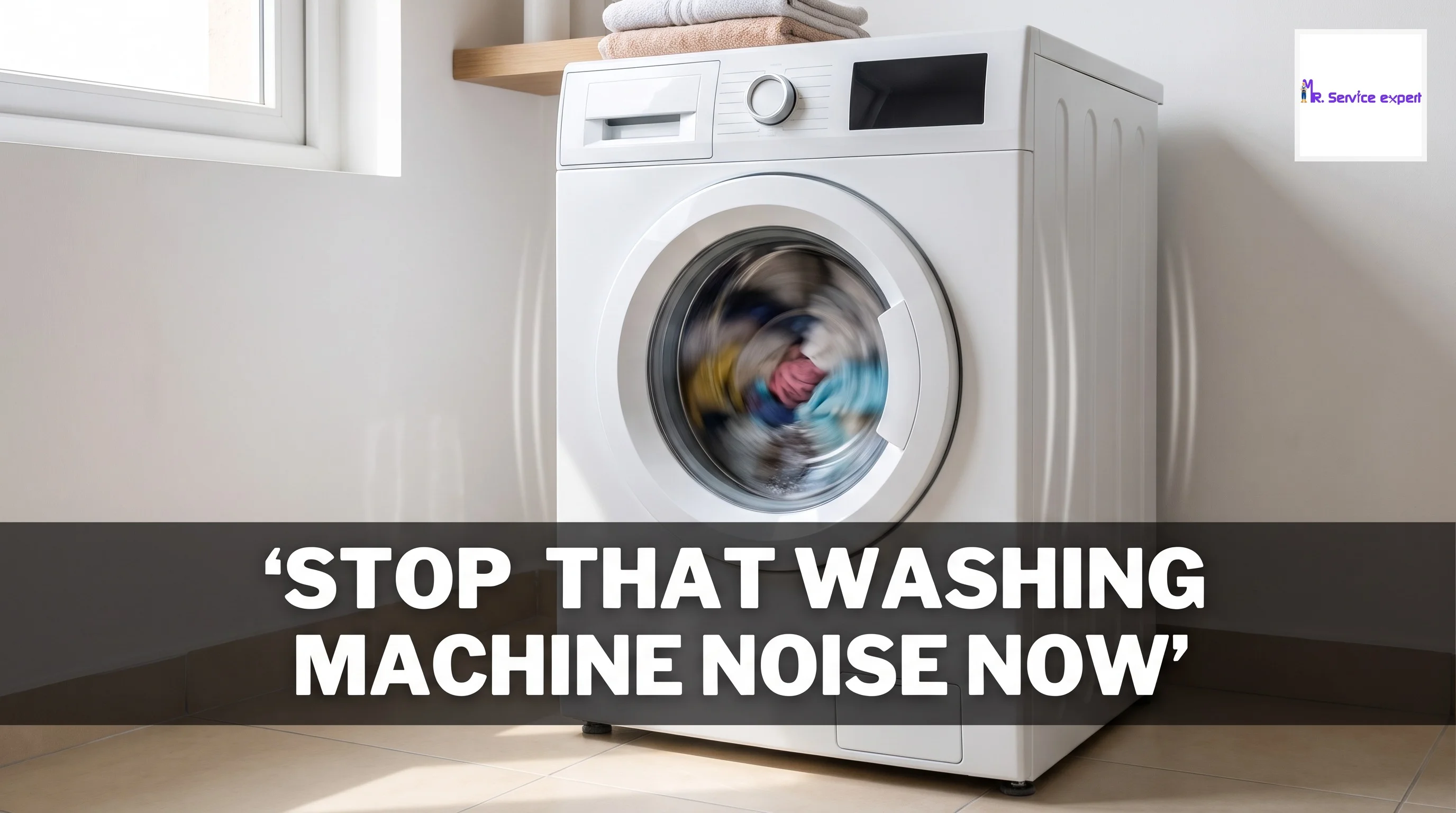
Front load washing machine making noise during spin
You just loaded your clothes, pressed start, and walked away. Everything seemed fine until the spin cycle began. Suddenly, your peaceful morning turned into a concert of grinding, thumping, or screeching sounds coming from your front load washing machine. If this sounds familiar, you are not alone. Thousands of Indian households face this exact problem every single day, and it can be both annoying and concerning.
A noisy washing machine during the spin cycle is more than just a nuisance. It signals that something inside your appliance needs attention. The good news? Most noise issues can be diagnosed and fixed without replacing your entire machine. Understanding what causes these sounds and knowing when to call for Washing machine repair service can save you money and extend your machine's life significantly.
Modern front load washing machines are designed to operate quietly, so any unusual noise should raise a red flag. Whether you hear banging, rattling, squeaking, or grinding sounds, each type of noise tells a different story about what might be going wrong inside your machine. Some issues you can fix yourself with basic tools and a little patience, while others require professional Washing machine technician expertise.
This comprehensive guide will walk you through everything you need to know about front load washing machine noise problems. We will explore the common causes, provide step-by-step troubleshooting methods, and help you decide when DIY fixes work and when you need expert front load washing machine repair services. By the end of this article, you will have the knowledge to identify, understand, and potentially resolve the noise issues plaguing your washing machine.
Whether you own a 6kg model perfect for small families or a 10kg machine for larger households, the principles remain the same. Let us dive into the world of washing machine mechanics and get your appliance back to its quiet, efficient operation.
Common Causes of Noise During Spin Cycle
Understanding why your front load washing machine makes noise during the spin cycle is the first step toward fixing it. The spin cycle operates at high speeds, sometimes reaching 1200 to 1400 RPM, which puts significant stress on various components. When something goes wrong, the noise becomes immediately noticeable.
Unbalanced Load Distribution
The most common culprit behind washing machine noise is an unbalanced load. When clothes bunch up on one side of the drum, the machine struggles to distribute weight evenly during spinning. This creates a thumping or banging sound as the drum hits the cabinet walls. Indian households often wash heavy items like blankets, jeans, and bedsheets together, which increases the likelihood of load imbalance. The machine's suspension system tries to compensate, but excessive imbalance creates violent shaking and loud noises that can be heard throughout your home.
Worn Out Drum Bearings
Drum bearings are crucial components that allow the drum to spin smoothly. Over time, water can seep past seals and damage these bearings, causing them to rust and deteriorate. When bearings fail, you will hear a loud grinding or rumbling sound during the spin cycle. This is one of the most serious Washing machine commom problems because worn bearings can damage other parts if left unaddressed. The noise typically gets progressively worse over weeks or months, starting as a slight rumble and eventually becoming a loud roar.
Damaged or Loose Drive Belt
The drive belt connects the motor to the drum pulley, transferring power to make the drum rotate. If this belt becomes loose, worn, or damaged, it can slip and create a squealing or whining noise. In some cases, a completely broken belt will cause the drum not to spin at all. The belt naturally wears down over years of use, and exposure to heat and detergent residue accelerates this deterioration.
Foreign Objects Trapped in the Drum
Coins, buttons, hairpins, and other small items can slip through drum holes and get trapped between the inner and outer drums. During the spin cycle, these objects rattle around creating clicking, scraping, or metallic sounds. Sometimes these items work their way into the pump or filter, causing additional damage. This is particularly common in Indian households where traditional clothing with embellishments or loose buttons are frequently washed.
Faulty Shock Absorbers or Suspension Springs
Front load washing machines use shock absorbers and suspension springs to minimize vibration during operation. When these components wear out or break, the drum moves excessively, causing banging sounds as it hits the machine's body. You might also notice the entire machine shaking or walking across the floor during the spin cycle.
Types of Noises and What They Mean
Different sounds indicate different problems. Learning to identify these noises helps you diagnose issues faster and communicate better with repair technicians.
Grinding or Rumbling Sounds
A grinding noise typically points to bearing problems. As mentioned earlier, drum bearings wear out over time, especially if water has penetrated the bearing seal. This creates friction between metal components, producing a grinding sound that intensifies as the spin speed increases. If you hear this noise, immediate front load washing machine repair attention is necessary because continuing to use the machine can cause catastrophic damage to the drum assembly.
Squealing or Screeching Noises
High-pitched squealing usually indicates belt problems. A loose or worn drive belt slips on the pulleys, creating friction that produces a squeaking or screeching sound. Sometimes, this noise appears intermittently at the beginning of the spin cycle and then stops as the belt catches. Lubricating issues with the motor or pump can also cause similar high-pitched noises.
Banging or Thumping Sounds
Loud banging during spin cycles almost always means load imbalance or suspension system failure. When clothes accumulate on one side, the drum becomes unbalanced and hits the cabinet repeatedly. If the load is properly distributed but banging persists, your shock absorbers or suspension springs might need replacement. This type of noise can be so severe that it shakes your entire washing area.
Clicking or Rattling Noises
Clicking sounds usually indicate foreign objects trapped in various parts of the machine. These items move around during spinning, hitting the drum or other components. Rattling can also occur if internal screws or bolts have come loose due to vibration over time. Sometimes, the drum paddle or lifters become loose and create rattling sounds.
Humming or Buzzing Sounds
A continuous humming or buzzing noise might indicate electrical issues with the motor or drain pump. If the pump is blocked or failing, it will struggle to drain water and create a humming sound. Motor problems can also produce buzzing, especially if capacitors or windings are failing. These issues require professional washing machine servicing to diagnose and repair safely.
DIY Troubleshooting Steps
Before calling for professional top load washing machine service or front load washing machine repair, try these troubleshooting steps. Many noise problems can be resolved without technical expertise.
Step One: Check Load Distribution
Stop the machine and open the door. Redistribute clothes evenly around the drum. Avoid washing single heavy items alone, as they create severe imbalance. Instead, mix heavy items with lighter ones to balance the load. For large items like comforters, fold them loosely rather than bunching them up. Restart the spin cycle and observe whether the noise reduces. If proper load distribution eliminates the noise, you have solved the problem without any repairs.
Step Two: Inspect the Machine Level
Place a spirit level on top of your washing machine to check if it sits evenly. Uneven placement causes excessive vibration and noise. Adjust the leveling feet at the bottom of the machine until it sits perfectly level in all directions. This simple adjustment can dramatically reduce noise and prevent long-term damage to internal components. Most Indian floors are not perfectly level, so this step is particularly important.
Step Three: Examine the Drum for Foreign Objects
Spin the drum manually with the machine empty and power off. Listen for any clicking, scraping, or unusual sounds. Shine a flashlight between the inner and outer drums to spot trapped objects. Check the rubber door seal thoroughly, as items often hide in its folds. Remove any foreign objects you find. Sometimes, you need to remove the front panel or top cover to access trapped items between drums.
Step Four: Inspect the Drive Belt
Unplug the machine and remove the back panel. Examine the drive belt for signs of wear, cracks, or looseness. A healthy belt should have some tension and show no visible damage. If the belt looks worn or feels loose, it needs replacement. While you can replace belts yourself, many people prefer professional washing machine technician assistance for this task.
Step Five: Check Shock Absorbers and Springs
With the machine unplugged, push down on the drum from above. It should move slightly and return to position smoothly. If it bounces excessively or feels loose, your shock absorbers or suspension springs might be damaged. Visually inspect these components if accessible. Broken springs or leaking shock absorbers require replacement by professionals.
Step Six: Test Without Load
Run an empty spin cycle and listen carefully. If the noise disappears without clothes, the problem is likely load-related. If noise persists even when empty, internal mechanical issues exist that need professional attention. This simple test helps differentiate between user error and mechanical failure.
When to Call Professional Repair Services
While many noise issues can be diagnosed at home, some situations demand professional front load washing machine repair expertise. Knowing when to call helps prevent further damage and ensures safe repairs.
Bearing Replacement Requirements
Replacing drum bearings is a complex job requiring special tools and technical knowledge. The process involves disassembling most of the machine, including removing the drum assembly. For most homeowners in India, this task exceeds DIY capabilities. Professional technicians have the proper tools, replacement parts, and experience to complete bearing replacement efficiently. Attempting this repair without proper knowledge can result in additional damage costing more than the original repair.
Electrical or Motor Issues
Any problem involving electrical components, motors, or control boards should be handled by qualified professionals. Working with electrical parts poses safety risks, especially since washing machines use both electricity and water. Incorrect repairs can create fire hazards or electrocution risks. Professional washing machine servicing ensures these components are tested, repaired, or replaced safely according to manufacturer specifications.
Warranty Considerations
If your washing machine is still under warranty, attempting DIY repairs might void that coverage. Most manufacturers require authorized service centers to perform repairs on warranty-covered machines. Even if you feel confident handling the repair, check your warranty terms first. Professional repair services maintain proper documentation that preserves your warranty protection.
Persistent Problems After DIY Attempts
If you have tried all troubleshooting steps and noise persists, professional diagnosis becomes necessary. Experienced technicians have diagnostic tools and knowledge to identify problems that are not obvious to untrained eyes. They can quickly pinpoint issues like failing motors, damaged drums, or complex mechanical failures that require specialized attention.
Preventive Maintenance Tips
Prevention is always better and cheaper than repair. Following these maintenance practices extends your washing machine's life and prevents noise problems.
Regular Cleaning and Care
Clean the rubber door seal weekly to prevent mold growth and debris accumulation. Run a hot wash cycle with washing machine cleaner monthly to remove detergent residue and mineral deposits. Check and clean the drain filter every two months, as blocked filters strain the pump and create noise. Use appropriate amounts of detergent, as excess soap creates residue that damages components over time.
Proper Loading Practices
Never overload your washing machine beyond its capacity. Indian families sometimes try to wash too many clothes at once to save water and electricity, but this strains the machine and causes premature wear. Follow the manufacturer's load recommendations based on your machine's capacity. Sort clothes by weight and wash heavy items separately from delicate fabrics.
Installation and Placement
Ensure your machine sits on a solid, level floor. Wooden floors or uneven surfaces increase vibration and noise. Use anti-vibration pads under the machine's feet to absorb shock and reduce noise transmission through floors. Leave adequate space around the machine for ventilation and to prevent noise amplification from walls.
Water Quality Considerations
Hard water is common across many Indian cities and causes mineral buildup that damages seals and bearings. Consider installing a water softener or using washing machine descalers regularly. This simple step significantly extends component life and prevents many common washing machine problems.
Professional Servicing Schedule
Schedule professional washing machine servicing annually even if no problems exist. Technicians can identify and address minor issues before they become major failures. Regular servicing includes lubrication, inspection of wear-prone parts, and performance testing that keeps your machine running smoothly.
Cost Comparison of Common Repairs
Understanding repair costs helps you make informed decisions about fixing versus replacing your washing machine. Here is a comparison of typical repair costs in India for 2026:
| Repair Type | DIY Cost | Professional Cost | Time Required |
|---|---|---|---|
| Load Rebalancing | Free | 300-500 INR | 10 minutes |
| Foreign Object Removal | Free | 500-800 INR | 30 minutes |
| Drive Belt Replacement | 400-800 INR | 1200-2000 INR | 1-2 hours |
| Shock Absorber Replacement | 1500-2500 INR | 2500-4000 INR | 2-3 hours |
| Drum Bearing Replacement | 2000-3500 INR | 4500-8000 INR | 4-6 hours |
| Motor Replacement | 3500-6000 INR | 6000-12000 INR | 3-5 hours |
| Full Service Check | NA | 800-1500 INR | 1-2 hours |
These costs vary based on your location, machine brand, and service provider. Metro cities typically charge 20-30 percent more than smaller towns. Always request detailed quotes before authorizing repairs.
Understanding Washing Machine Lifespan
Front load washing machines typically last 10-15 years with proper maintenance. However, intensive use in large Indian families might reduce this to 8-12 years. When repair costs approach 50 percent of a new machine's price, replacement becomes more economical than repair.
Consider the machine's age when facing major repairs. If your 8-year-old machine needs bearing replacement costing 7000 INR, and new machines with better features cost 20000 INR, investing in repairs might not make financial sense. However, if the machine is only 3-4 years old, repairs are almost always the better choice.
Technology has advanced significantly in recent years. Newer models offer better energy efficiency, water savings, and noise reduction features. Sometimes, upgrading to a new machine provides better long-term value than repeatedly repairing an aging appliance.
Choosing the Right Repair Service
Finding reliable front load washing machine repair services requires research and careful selection. Here are factors to consider when choosing a service provider.
Certification and Experience
Look for technicians certified by recognized training programs or authorized by major brands. Experienced professionals quickly diagnose problems and perform quality repairs. Ask how long they have been servicing washing machines and whether they specialize in front load models specifically.
Customer Reviews and Reputation
Check online reviews on Google, Justdial, and social media platforms. Pay attention to comments about punctuality, pricing transparency, and repair quality. Ask neighbors and friends for recommendations based on their experiences. A service provider with consistently positive reviews is more likely to deliver satisfactory results.
Warranty on Repairs
Reputable services offer warranties on parts and labor, typically ranging from 30 to 90 days. This warranty protects you if the same problem recurs shortly after repair. Avoid services that refuse to provide any guarantee on their work.
Transparent Pricing
Choose services that provide detailed estimates before starting work. They should explain what needs repair, why it is necessary, and how much it will cost. Avoid technicians who provide vague estimates or pressure you into immediate decisions without proper diagnosis.
Availability and Response
Learn more about the common causes behind noisy front load washers, from unbalanced loads and worn drum bearings to loose components and foreign objects trapped inside. Explore further troubleshooting steps you can take at home before calling a technician, and discover how regular maintenance can prevent these disruptive sounds from returning in the future.