
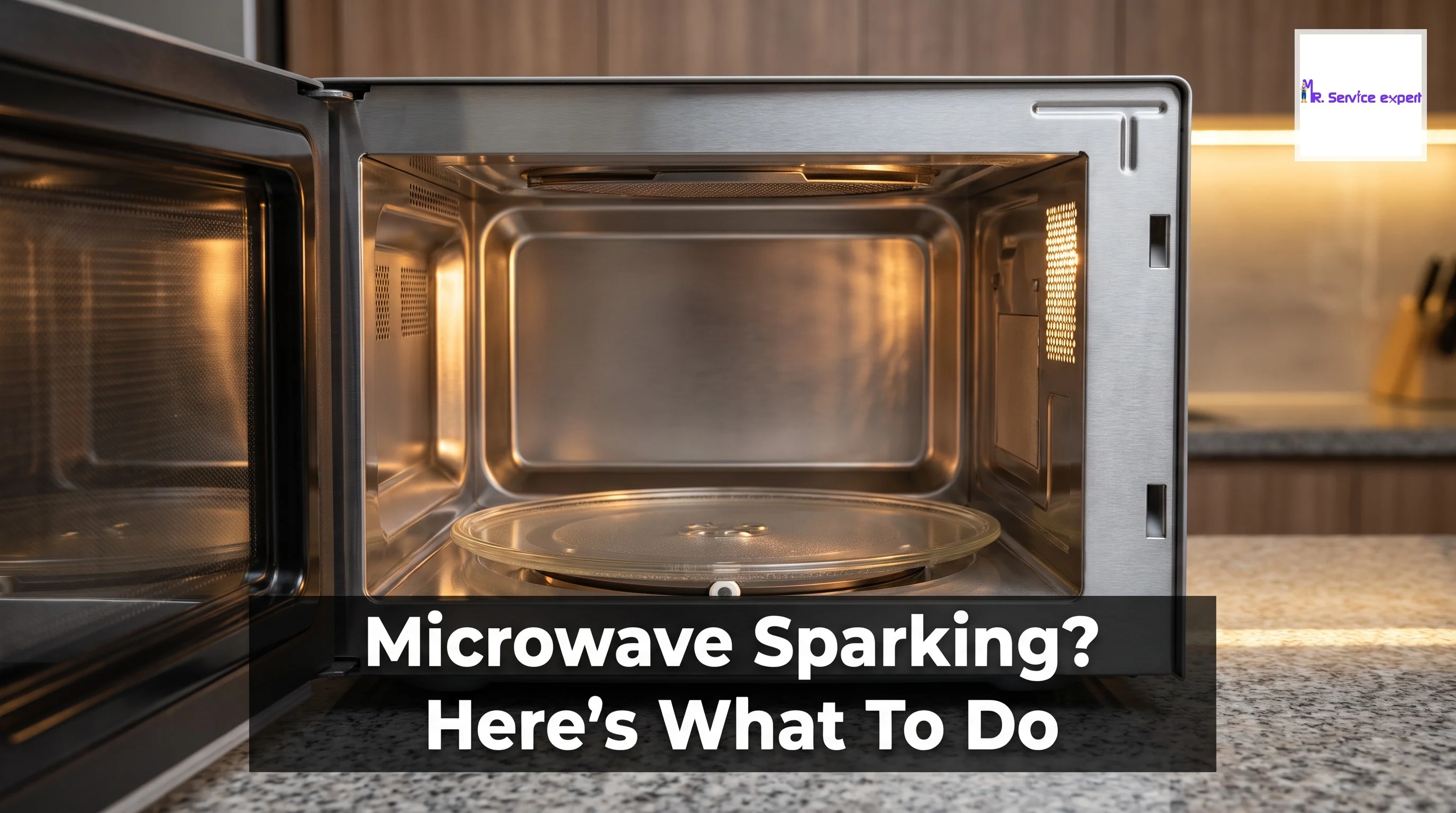
Microwave sparking inside: what to do
You are heating up last night's dinner when suddenly you notice bright flashes and crackling sounds coming from inside your microwave. Your heart races as you see sparks flying around the cavity. This alarming situation is more common than you think and affects thousands of Indian households every year. Microwave sparking inside is not just a minor inconvenience—it can pose serious safety risks to your home and family if not addressed immediately. Understanding what causes these sparks, knowing the right steps to take during such an emergency, and learning how to prevent future occurrences can save you from potential hazards and expensive repairs. Whether you own a basic solo model or invested in one of the best microwave oven options with convection features, sparking issues can happen to any appliance regardless of brand or price point. This comprehensive guide will walk you through everything you need to know about microwave sparking, from immediate safety measures to long-term solutions.
Microwave ovens have become indispensable kitchen companions in Indian homes, making meal preparation faster and more convenient. However, like any electrical appliance, they can develop problems over time. Sparking inside your microwave is one of the most frightening issues you might encounter. The good news is that in many cases, the problem has a simple explanation and solution. Some sparking incidents result from user errors like placing metal objects inside, while others indicate component failure that requires professional microwave oven repair.
The key to handling this situation effectively lies in staying calm and taking appropriate action. Panicking can lead to poor decisions that might worsen the problem or put you at risk. Many people make the mistake of continuing to use their microwave after witnessing sparks, hoping the issue will resolve itself. This approach is dangerous and can lead to fire hazards or complete appliance failure. Others immediately assume their microwave is beyond repair and rush to purchase a replacement, when sometimes a simple microwave oven service call could fix the issue at a fraction of the cost.
Before we dive into the specific causes and solutions, it is important to understand that not all sparking incidents are equal. Some require immediate professional intervention, while others can be resolved with basic troubleshooting. Knowing the difference will help you make informed decisions about whether to attempt a DIY fix or call a qualified microwave technician. The severity of sparking can range from occasional small flashes during specific operations to continuous arcing that occurs every time you turn on the appliance.
Throughout this article, you will learn about the most common causes of microwave sparking, immediate safety steps to protect yourself and your home, troubleshooting techniques you can safely perform, when professional help becomes necessary, and preventive measures to avoid future incidents. Whether your microwave is relatively new or has been serving your family for years, this information will prove invaluable in maintaining safe operation and extending the lifespan of your appliance.
Understanding Why Microwaves Spark Inside
Microwave sparking occurs when electrical current arcs through the air inside the cooking cavity. This phenomenon, known as arcing, happens when microwave energy encounters metal surfaces or when the protective interior coating becomes damaged. To effectively address sparking issues, you must first understand the underlying mechanisms that cause this problem. Microwaves work by generating electromagnetic waves that cause water molecules in food to vibrate rapidly, producing heat. When these waves encounter metal or damaged areas, they can create electrical discharges visible as sparks.
The magnetron, which is the heart of your microwave oven, generates powerful electromagnetic radiation at a frequency of 2450 megahertz. This energy must be contained within the cooking cavity and absorbed by food or liquid. When metal objects are present, they reflect these waves and can create concentrated energy points where sparking occurs. Even tiny pieces of aluminum foil, metallic decorations on dishes, or the metal twist ties often found on bread bags can cause dramatic sparking displays. Many Indian households unknowingly use plates with metallic trim or place steel utensils in their microwaves, leading to immediate sparking problems.
Another major cause of internal sparking relates to the waveguide cover, a small rectangular or circular panel typically located on the right side or ceiling of the microwave cavity. This cover protects the magnetron opening from food splatters and grease buildup. When this cover becomes dirty, burnt, or damaged, it can cause sparks as microwave energy interacts with the carbonized food particles or exposed metal beneath. The waveguide cover is made of mica or similar material and costs between 200 to 500 rupees to replace, making it one of the most affordable repairs for microwave repair service providers to perform.
The interior paint coating of your microwave serves a crucial protective function. This special paint is designed to allow microwave energy to pass through while protecting the metal cavity walls. Over time, this coating can chip, peel, or wear away, especially in high-use areas near the bottom or sides. When the underlying metal becomes exposed, it creates an ideal condition for arcing. This situation typically develops gradually, with small sparks initially appearing only during certain cooking cycles. If left unaddressed, the damaged area expands, and sparking becomes more frequent and severe.
Worn or damaged door seals and hinges can also contribute to sparking problems. While less common, a compromised door seal allows microwave energy to escape the cooking cavity. This energy leakage can cause sparking around the door area and poses health risks from radiation exposure. Modern microwaves include multiple safety interlocks that should prevent operation when the door is not properly closed, but these mechanisms can fail over time. If you notice sparking near the door or see visible damage to the rubber seal, immediate professional service becomes essential.
Food debris and grease accumulation represents another frequent culprit behind microwave sparking. Indian cooking often involves oil-based preparations that can splatter during reheating. When these food particles accumulate on the cavity walls, ceiling, or waveguide cover, they carbonize with repeated heating. Carbonized food acts as a conductor, allowing electrical current to arc across surfaces. This problem is entirely preventable through regular cleaning but becomes a repair issue when the buildup burns into the paint or damages the waveguide cover.
Immediate Steps When You Notice Sparking
The moment you observe sparks inside your microwave, your immediate response can prevent serious damage or fire hazards. First and foremost, stop the microwave immediately by pressing the stop or cancel button. Do not simply wait for the timer to finish, as continued operation while sparking occurs can damage internal components or start a fire. If the microwave does not stop when you press the button, or if you see flames rather than just sparks, unplug the appliance from the wall outlet immediately. Some people instinctively open the door when they see sparks, but this is actually the second step—stopping the microwave operation comes first.
After stopping the microwave, do not open the door right away if you smell burning or see smoke. Wait 30 to 60 seconds to allow any potential flames to die down from lack of oxygen. Opening the door too quickly can provide oxygen to smoldering materials, potentially causing them to ignite. Once you are certain there are no active flames, carefully open the door and inspect the interior. Look for any obvious causes like metal objects, aluminum foil pieces, or utensils that should not be there. If you find metal items inside, remove them carefully using oven mitts or a dry cloth, as they may be extremely hot.
Unplug the microwave from the electrical outlet as a safety precaution, even if you plan to investigate further. This prevents accidental activation and ensures no electrical current flows to the appliance while you examine it. Many microwave-related injuries occur when people attempt to clean or inspect the unit while it remains plugged in. Leave the appliance unplugged until you have identified and resolved the cause of sparking, or until a qualified professional has inspected it. This simple step can prevent electrical shocks and further damage to the appliance.
Examine the microwave cavity thoroughly under good lighting. Check the ceiling, walls, and floor of the cooking chamber for any visible damage to the paint coating. Look for burn marks, discoloration, chips, or areas where the metal underneath is exposed. Pay special attention to the waveguide cover, which is usually a light-colored rectangular or square panel on the side or top of the cavity. If this cover shows signs of burning, warping, or has holes in it, you have identified a likely cause of the sparking. Take photos of any damage you find, as this documentation will help when you consult with a repair service.
Check the turntable, roller ring, and turntable support. Sometimes sparking occurs when the turntable becomes misaligned and the glass plate or its support touches the cavity walls during rotation. Ensure these components are properly seated and can rotate freely without obstruction. Remove the turntable and clean both it and the cavity floor thoroughly. Even small food particles trapped under the turntable can cause problems. If the roller ring is cracked or damaged, it needs replacement. These parts are readily available through service providers and cost between 150 to 400 rupees depending on the model.
If you cannot identify an obvious cause like metal objects or visible damage, do not attempt to operate the microwave again. The problem may involve internal components like the magnetron, diode, or capacitor that require professional diagnosis. Attempting to use a malfunctioning microwave repeatedly can transform a minor repair into a major one, potentially destroying expensive components. At this stage, your best course of action is to contact a professional for inspection and repair. Document what happened, including what you were heating, how long the microwave had been running, and the nature of the sparking (continuous or intermittent, location, intensity).
Common Causes and Troubleshooting Solutions
Understanding specific causes of microwave sparking helps you determine whether the issue requires professional intervention or if you can resolve it yourself. Metal objects represent the most common and easily fixable cause. Beyond obvious items like spoons or forks, be aware of hidden metal in seemingly safe containers. Some paper towels contain metallic fibers, decorative plates feature metallic paint or gold trim, and certain carry-out containers have metal handles or foil components. Even the metal twist ties used to close bread bags can cause dramatic sparking if accidentally left in the microwave. The solution is straightforward: remove all metal objects and use only microwave-safe containers marked with the appropriate symbol.
A damaged or dirty waveguide cover causes many sparking incidents in Indian households. This component typically costs 200 to 500 rupees and can be replaced without professional help if you are comfortable with basic appliance maintenance. To replace it, unplug the microwave, remove the mounting screws holding the old cover, clean the area behind it thoroughly with a damp cloth, and install the new cover ensuring proper alignment. The waveguide cover is specifically designed for your microwave model, so you must obtain the correct replacement part. Contact the manufacturer service center or search online using your microwave model number to find compatible parts.
Chipped or peeling interior paint requires more careful attention. Small chips measuring less than half an inch can be repaired using microwave cavity paint, which is specially formulated to withstand high temperatures and microwave radiation. This paint is available online or through appliance parts dealers for 300 to 600 rupees per bottle. Before applying, thoroughly clean the damaged area, remove any loose paint, lightly sand the edges to create a smooth transition, and apply thin coats of the special paint according to manufacturer instructions. Allow at least 24 hours for curing before using the microwave. For extensive paint damage covering large areas, consulting a professional service is more practical and ensures proper restoration.
Food debris and grease accumulation can be resolved through thorough cleaning. Create a cleaning solution by mixing two tablespoons of baking soda in two cups of water, or use a mixture of equal parts water and white vinegar. Place this solution in a microwave-safe bowl and heat on high for three to five minutes until it boils and creates steam. The steam loosens dried food particles and grease. After allowing the microwave to cool for a few minutes, wipe down all interior surfaces with a soft cloth or sponge. Pay special attention to the ceiling, waveguide cover area, and corners where grease tends to accumulate. For stubborn burnt-on food, make a paste of baking soda and water, apply it to the affected areas, let it sit for 15 minutes, then wipe clean.
Turntable and roller ring problems are usually easy to diagnose and fix. If the turntable wobbles, makes scraping sounds, or does not rotate smoothly, remove it and inspect the roller ring for cracks or damage. Check that the turntable support (the plastic piece in the center of the cavity floor) is properly positioned and not broken. Clean the cavity floor thoroughly, ensuring no food particles prevent smooth rotation. Replace damaged components with manufacturer-specified parts. Improper rotation can cause uneven heating and potentially lead to sparking if metal components of the turntable support contact the cavity walls.
When you have checked all these common causes and found no issues, or when you discover problems beyond your capability to safely repair, it is time to schedule professional assistance. Issues involving the magnetron, high voltage capacitor, diode, or door switches require specialized knowledge and tools to diagnose and repair safely. These components carry dangerous voltage levels even when the microwave is unplugged, making DIY repair extremely risky. A qualified technician has the training, experience, and equipment to safely handle these repairs and can often complete the work at your home during a single service visit.
When to Call Professional Microwave Repair Service
Knowing when to call a professional versus attempting DIY solutions can save you money, time, and potential injury. Certain sparking situations absolutely require professional intervention regardless of your technical skills. If sparking occurs near the door area, around the door seal, or through the door screen, this indicates a serious safety issue involving potential radiation leakage. Never attempt to repair door-related problems yourself, as improper repairs can compromise the safety mechanisms that protect you from harmful microwave radiation exposure. Contact a certified service provider immediately and do not use the appliance until it has been properly repaired and tested.
When sparking continues after you have removed metal objects, cleaned thoroughly, and checked for obvious damage, internal component failure is likely. The magnetron, which generates microwave energy, can develop problems that cause arcing within its structure. A failing magnetron might produce sparks, unusual sounds, or reduced heating performance. Magnetron replacement typically costs between 2000 to 4500 rupees depending on the microwave model and power rating. While this represents a significant repair expense, it still costs less than purchasing a new appliance if the rest of your microwave remains in good condition. A professional technician can test the magnetron and other high-voltage components to determine if replacement is necessary.
The high-voltage capacitor and diode work together to increase voltage to the level required by the magnetron. When these components fail, they can cause sparking, burning smells, or complete failure to heat. These parts store dangerous electrical charges even when the microwave is unplugged, making them extremely hazardous to handle without proper training and discharge procedures. Attempting to repair or replace these components without expertise can result in potentially fatal electrical shock. Professional services have the knowledge and tools to safely discharge capacitors and test high-voltage circuits.
Extensive interior damage covering large areas of the cavity walls or ceiling generally warrants professional assessment. While small paint chips can be DIY repaired, widespread damage may indicate underlying problems or require specialized repair techniques. A technician can evaluate whether repair is cost-effective or if replacement makes more financial sense. They can also identify whether the damage resulted from a one-time incident or points to ongoing problems that will continue causing issues you and your family if not addressed promptly.
Understanding why your microwave sparks and knowing the immediate steps to take can prevent potential fires, equipment damage, and electrical hazards. Whether it's metal objects accidentally left inside, damaged waveguide covers, or worn-out interior paint, each cause requires specific attention. This comprehensive guide walks you through identifying the root causes, implementing emergency safety measures, and determining when professional repair is necessary versus when replacement makes more sense for your household's safety and budget.