
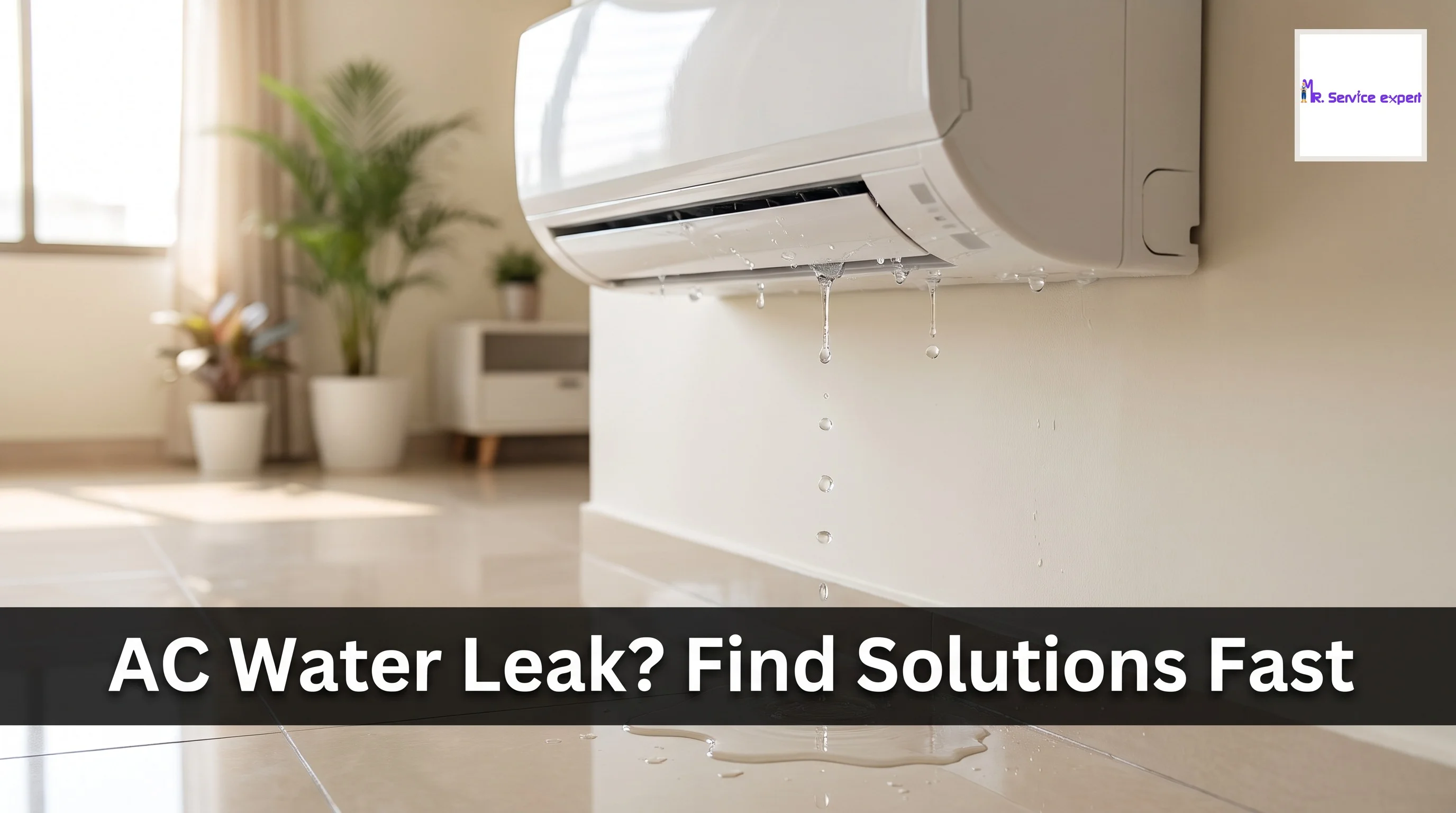
AC water leaking from indoor unit
You walk into your living room expecting cool comfort, only to find a puddle of water beneath your air conditioner. This frustrating scenario plays out in countless Indian homes every summer. Water leaking from your AC's indoor unit is not just an inconvenience—it signals underlying issues that need immediate attention. Left unchecked, this seemingly minor problem can damage your walls, furniture, and even compromise your AC's performance. Understanding why water accumulates and drips from your indoor unit empowers you to take swift action, potentially saving thousands of rupees in repairs while ensuring your home remains cool during scorching summers.
AC water leakage is among the most common complaints technicians receive during peak cooling seasons. The irony is that while air conditioners are designed to manage condensation efficiently, various factors can disrupt this process. From clogged drain pipes to improper installation, the reasons behind water leakage vary significantly. What many homeowners do not realize is that water dripping from the indoor unit often connects to other AC problems, including cooling inefficiency and increased electricity consumption. This comprehensive guide will walk you through everything you need to know about AC water leakage, helping you identify causes, implement solutions, and prevent future occurrences.
Before panic sets in, remember that most water leakage issues have straightforward solutions. Some problems you can resolve yourself with basic tools and minimal effort, while others require professional expertise. The key lies in accurately diagnosing the root cause. Throughout this article, we will explore practical troubleshooting methods tailored for Indian households, where high humidity levels and dust accumulation present unique challenges. Whether you live in Mumbai's coastal humidity, Delhi's dusty environment, or Bangalore's moderate climate, understanding your AC's drainage system will prove invaluable.
Water leakage often serves as an early warning sign of more serious problems. When addressing ac water leaking issues promptly, you prevent potential complications that could lead to complete system failure. Many homeowners ignore small drips, assuming they will stop on their own. This approach rarely works. Instead, minor leaks typically worsen over time, eventually causing significant damage to your property. Mold growth, ceiling stains, and electrical hazards represent just a few consequences of neglected water leakage. Taking proactive measures protects both your investment in the air conditioning system and your home's structural integrity.
This detailed guide combines expert insights with practical solutions specifically relevant to Indian homes. We will examine the technical aspects of how air conditioners handle condensation, explore common causes of water leakage, and provide step-by-step troubleshooting techniques. Additionally, we will discuss when professional intervention becomes necessary and how to choose reliable Ac service providers. By the end of this article, you will possess the knowledge needed to handle AC water leakage confidently, ensuring your cooling system operates efficiently throughout the year.
Understanding How AC Condensation Works
Air conditioners function by removing heat and humidity from indoor air. During this process, moisture from the air condenses on the evaporator coils inside your indoor unit. This is entirely normal—in fact, condensation indicates your AC is working properly. The evaporator coils remain significantly colder than the surrounding air temperature, causing water vapor to condense into liquid droplets, similar to how water forms on a cold glass during summer.
Under normal circumstances, condensed water collects in a drain pan positioned beneath the evaporator coils. From this pan, water flows through a drainage pipe that typically exits your home through an external wall or connects to your plumbing system. In properly functioning systems, this entire process happens invisibly, with homeowners never noticing the water being produced and expelled. However, when any component in this drainage pathway malfunctions, water backs up and eventually overflows from the indoor unit.
The amount of water an AC produces depends on several factors including room temperature, humidity levels, and usage duration. In humid cities like Chennai, Kolkata, or coastal regions, air conditioners generate substantially more condensate than in drier climates. During peak summer months, a typical 1.5-ton split AC might produce fifteen to twenty liters of water daily. This significant water volume explains why even minor drainage obstructions can quickly lead to noticeable leakage.
Understanding this condensation cycle helps homeowners appreciate why regular maintenance matters. The drainage system faces constant challenges from dust, algae growth, and debris accumulation. Indian homes, particularly those in urban areas with high pollution levels, experience faster drain line clogging compared to cleaner environments. This knowledge emphasizes the importance of preventive care rather than reactive fixes.
Common Causes of Water Leakage From Indoor Units
Clogged Condensate Drain Line
The most frequent culprit behind AC water leakage is a blocked drain pipe. Over time, dust particles, algae, mold, and slime accumulate inside the drain line, gradually restricting water flow. In Indian conditions where dust levels remain high year-round, drain lines clog faster than in many other countries. What starts as a partial blockage eventually becomes a complete obstruction, forcing water to back up into the drain pan and overflow.
Identifying a clogged drain requires simple observation. If water drips from your indoor unit but the drain pan appears full or overflowing, a blockage likely exists somewhere in the drainage path. Sometimes, you can spot water pooling around the outdoor drain outlet or notice that no water exits the drain pipe even when the AC runs continuously. This problem occurs more frequently in units that have not received regular maintenance, as professional ac service includes drain line cleaning as a standard procedure.
Clearing a clogged drain line often proves manageable for homeowners with basic tools. A wet-dry vacuum applied to the outdoor drain opening can suction out blockages effectively. Alternatively, using a thin, flexible brush or wire to physically dislodge debris works for accessible drain lines. For stubborn clogs, pouring a mixture of warm water and vinegar through the drain pan can dissolve organic buildup. However, if the blockage persists or the drain line configuration is complex, calling an Ac Technician becomes necessary to avoid damaging the drainage system.
Dirty or Frozen Evaporator Coils
AC not cooling problem and water leakage frequently go hand-in-hand when evaporator coils become excessively dirty or frozen. Dust accumulation on coils acts as insulation, preventing efficient heat exchange and causing the coils to become abnormally cold. When coils freeze, ice forms on their surface. As this ice eventually melts—often when the AC cycles off—the resulting water volume overwhelms the drain pan's capacity, leading to leakage.
Frozen coils produce distinctive symptoms beyond water leakage. You may notice reduced cooling efficiency, ice visible on the refrigerant lines, or unusual hissing sounds. The freezing typically results from restricted airflow caused by dirty air filters, blocked vents, or accumulated dust on the coils themselves. In some cases, low refrigerant levels due to leaks also cause coil freezing, connecting this issue to AC gas leakage signs that homeowners should recognize.
Addressing frozen coils requires a methodical approach. First, turn off the AC and allow several hours for complete ice melting. Meanwhile, inspect and clean or replace air filters, as dirty filters are the leading cause of restricted airflow. Once the ice has melted, examine the evaporator coils for dust buildup. Light cleaning with a soft brush may help, but heavily soiled coils need professional cleaning to avoid damage. If coil freezing recurs despite clean filters and proper airflow, refrigerant issues likely exist, requiring professional ac fixing by a certified technician.
Overflowing or Damaged Drain Pan
The drain pan collects condensate before it flows into the drainage pipe. Over years of use, particularly in older AC units, drain pans can rust, crack, or develop holes. When the pan's integrity is compromised, water leaks directly from these damaged areas rather than following the proper drainage path. Even intact pans can overflow if they cannot accommodate the water volume, though this usually indicates another underlying problem like a clogged drain.
Inspecting the drain pan requires accessing the indoor unit's interior, which varies in difficulty depending on your AC model. Split AC units typically have removable front panels allowing visual inspection. Look for visible rust spots, cracks, or standing water that exceeds the pan's normal level. Rust often appears as reddish-brown staining, while cracks may be hairline thin or obviously large. Pans filled to the brim suggest drainage problems rather than pan failure.
Repairing a damaged drain pan depends on the damage extent. Minor cracks can be temporarily sealed with waterproof sealant or epoxy, though this represents a short-term fix. Severely corroded or cracked pans require replacement, a job best left to professionals due to the disassembly required. For overflowing pans caused by drainage issues rather than damage, addressing the clog or blockage resolves the problem. Regular inspections during annual maintenance help catch pan deterioration before major leakage occurs.
Improper AC Installation
Installation errors create lasting problems that may not become apparent immediately but eventually manifest as water leakage. Air conditioners must be installed with a slight backward tilt—typically around half an inch for every foot of length—ensuring gravity helps water flow toward the drain outlet. When installers mount units level or tilting forward, condensate cannot drain properly and instead pools in the wrong areas, eventually finding its way out of the unit.
Indian technicians sometimes rush installations, particularly during peak summer when demand is high. This haste can result in improper leveling, inadequately secured drain pipes, or insufficient slope in drainage lines. Additionally, drain pipes should maintain continuous downward slope without dips or bends that trap water. Any low point in the drain line becomes a collection spot for debris and biofilm, accelerating clog formation.
Detecting installation-related issues requires careful examination of your AC's mounting and drain configuration. Use a level tool to check if the indoor unit tilts correctly. Trace the drain line's path, looking for upward slopes, excessive bends, or compression that might restrict flow. Correcting installation problems typically requires professional intervention, as repositioning wall-mounted units or rerouting drain lines involves technical expertise and proper tools. When selecting ac service providers, verify their experience and ask about their installation standards to avoid these preventable issues.
Low Refrigerant Levels and Gas Leakage
While less obvious than other causes, refrigerant problems significantly contribute to water leakage issues. Low refrigerant levels cause evaporator coils to operate at abnormally low temperatures, leading to freezing and subsequent water overflow when ice melts. Refrigerant loss typically results from leaks in the system, manifesting through several AC gas leakage signs that homeowners should monitor.
Recognizing refrigerant issues involves observing multiple symptoms together. Beyond water leakage, you might notice inadequate cooling despite the AC running continuously, ice formation on refrigerant lines, hissing or bubbling sounds near the indoor or outdoor unit, and increased electricity bills as the system works harder to achieve desired temperatures. The copper tubes connecting indoor and outdoor units may show frost or ice buildup, clearly indicating refrigerant problems.
Refrigerant issues require immediate professional attention. Handling refrigerants demands certification and specialized equipment, making this strictly a job for qualified technicians. Attempting DIY refrigerant work is both illegal under Indian environmental regulations and dangerous. A professional will locate the leak, repair it, evacuate the system, and recharge it with the correct refrigerant amount. Ignoring refrigerant problems not only causes water leakage but accelerates compressor damage, potentially leading to complete system failure requiring expensive replacement.
Step-by-Step Troubleshooting for Water Leakage
Initial Visual Inspection
Begin troubleshooting by turning off your AC and conducting a thorough visual examination. Remove the front panel and air filters to access the indoor unit's interior. Look for obvious water accumulation, checking the drain pan for overflow, cracks, or excessive water. Examine the area around the indoor unit for water stains on walls or ceilings, which indicate long-term leakage. Note any ice formation on coils or refrigerant lines, as this points to specific problems.
Inspect the external drain outlet, typically located outside your home near the outdoor unit or along an external wall. During normal operation, you should see water dripping from this outlet. If no water appears despite the AC running for several hours, a blockage exists somewhere in the drainage path. Conversely, if water backs up or drips from unusual locations, the drain line or pan likely has issues.
Check air filters for dirt accumulation, as restricted airflow causes multiple problems including water leakage. Hold filters up to light—if light barely passes through, replacement is necessary. Examine accessible portions of the drain line for visible damage, compression, or improper slope. Document your findings with photos if possible, as this information helps professionals diagnose issues quickly if you need to call for service.
DIY Cleaning and Maintenance
For clogged drain lines, start with simple clearing methods. Locate the drain line's access point, usually near the indoor unit's drain pan. Pour a mixture of one cup of white vinegar and one cup of warm water into the drain pan, allowing it to work through the system for thirty minutes. This solution dissolves organic buildup without damaging pipes. Follow with clean water to flush debris.
Alternatively, use a wet-dry vacuum at the outdoor drain outlet. Create a tight seal around the drain opening and run the vacuum for several minutes. This powerful suction often dislodges blockages that liquid treatments cannot reach. After vacuuming, flush the line with water to ensure clear flow. For accessible straight drain lines, carefully insert a thin, flexible brush or plumbing snake to physically remove debris.
Clean evaporator coils using a soft brush to gently remove dust. Avoid metal brushes or excessive force, as coil fins bend easily. For deeper cleaning, commercial coil cleaner sprays work effectively—spray onto coils, allow the recommended dwell time, and rinse according to product instructions. Clean or replace air filters regularly, ideally monthly during heavy use periods. These maintenance tasks significantly reduce water leakage risk and improve overall AC performance.
When to Call Professional Help
While many water leakage causes are DIY-fixable, certain situations demand professional expertise. If water leakage continues after clearing drain lines and cleaning filters, underlying mechanical or refrigerant problems likely exist. Signs requiring professional ac fixing include persistent ice formation, unusual noises, complete lack of cooling, or visible damage to components like the drain pan or coils.
Refrigerant-related issues absolutely require certified technicians. If you observe AC gas leakage signs such as hissing sounds, oily residue around connections, or ice on refrigerant lines combined with poor cooling, contact professionals immediately. Similarly, if your troubleshooting reveals installation problems like improper leveling or badly routed drain lines, repositioning requires specialized knowledge and tools.
Choose service providers carefully. Look for technicians with proper certifications, positive customer reviews, and transparent pricing. Ask about their experience with your AC brand and model. Reliable professionals diagnose issues thoroughly before suggesting repairs, provide written estimates, and warranty their work. During peak summer months, book ac service appointments in advance as demand often causes delays of several days.
Preventing Future Water Leakage
Regular maintenance represents the most effective prevention strategy. Schedule professional ac service at least annually, preferably before summer begins. Technicians performing comprehensive maintenance clean evaporator coils, flush drain lines, check refrigerant levels, inspect electrical connections, and verify proper system operation. This proactive approach catches small issues before they escalate into major problems.
Between professional services, implement monthly maintenance routines. Clean or replace air filters every thirty days during heavy use periods, extending to forty-five days during moderate usage. Keep the area around your indoor unit clean and unobstructed to ensure proper airflow. Periodically check the outdoor drain outlet to confirm water flows freely. Pour a cup of vinegar through the drain pan quarterly to prevent algae and biofilm buildup.
Understanding why water leaks from your AC's indoor unit helps you prevent costly damage and maintain optimal cooling performance. The most common culprits include clogged drain pipes, frozen evaporator coils, improper installation angles, and overflowing drain pans. Each issue requires specific troubleshooting steps to identify and resolve effectively. Learn more about diagnostic techniques, preventive maintenance schedules, and when professional intervention becomes necessary to protect your investment and ensure year-round comfort in your home.