
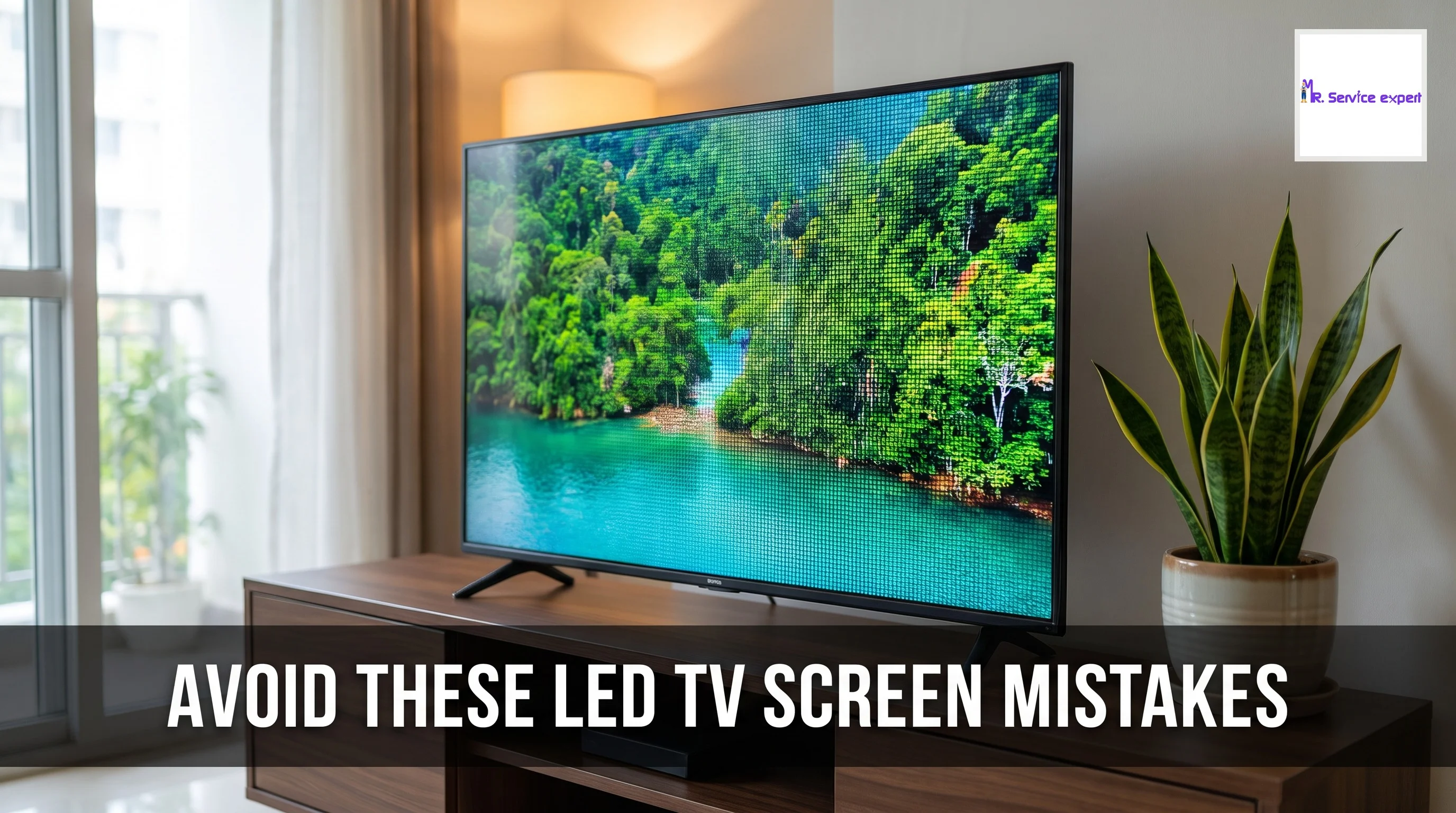
Common LED TV Mistakes That Damage the Screen
Your LED TV is likely one of the most expensive electronic devices in your home, yet many people unknowingly damage their screens through simple mistakes. These errors can lead to permanent damage, reduced picture quality, and expensive repairs. Understanding proper TV screen care tips can save you thousands of rupees and extend your television's lifespan significantly. Whether you own a budget-friendly model or a premium smart display, avoiding common LED TV mistakes is essential for maintaining optimal performance. In this guide, we'll explore the most frequent errors Indian households make and provide practical solutions to protect your investment.
Many homeowners assume that modern LED TVs are indestructible because of their sleek design and advanced technology. However, the reality is quite different. LED screens are delicate components that require careful handling and maintenance. From cleaning methods to placement decisions, every aspect of TV ownership involves potential pitfalls. The good news is that most screen damage is preventable with the right knowledge and habits.
The Indian climate presents unique challenges for LED TV maintenance. High humidity levels in coastal cities, dust accumulation in urban areas, and power fluctuations across the country can all contribute to screen deterioration. Understanding these environmental factors helps you take appropriate protective measures. Most people only seek LED TV service near me after noticing visible damage, but preventive care is always more cost-effective than repairs.
This comprehensive article will walk you through the most common mistakes that damage LED TV screens, offering actionable advice to keep your display looking pristine for years. By implementing these TV screen care tips, you'll maintain brilliant picture quality, prevent costly repairs, and maximize your entertainment investment.
Critical Cleaning Mistakes That Harm Your Screen
The most frequent LED TV mistakes occur during cleaning. Many people use household cleaners containing alcohol, ammonia, or harsh chemicals that strip away the screen's protective coating. This coating prevents glare and fingerprints, and once damaged, it cannot be restored. Always use a microfiber cloth specifically designed for electronics, never paper towels or rough fabrics that create micro-scratches.
Water is another common culprit in screen damage. Spraying liquid directly onto the screen allows moisture to seep into the edges and damage internal components. The proper technique involves lightly dampening your microfiber cloth with distilled water, wringing it thoroughly, then gently wiping the screen in circular motions. Never apply pressure while cleaning, as LED panels are pressure-sensitive and can develop dead pixels or discoloration from excessive force.
Cleaning frequency matters just as much as technique. Over-cleaning your TV screen can actually cause more harm than good by gradually wearing down protective layers. For most Indian homes, cleaning once every two weeks is sufficient unless you live in particularly dusty environments. Between deep cleans, use a dry microfiber cloth to remove light dust accumulation.
Here are the essential cleaning do's and don'ts:
- Never use window cleaners, kitchen cleaners, or all-purpose sprays
- Avoid abrasive materials like sponges, paper towels, or old T-shirts
- Don't clean while the TV is turned on or warm
- Never spray anything directly onto the screen
- Don't use circular scrubbing motions with pressure
- Always turn off and unplug the TV before cleaning
- Use only distilled water or screen-specific cleaning solutions
- Wipe gently in one direction without applying force
- Let the screen dry completely before turning on the TV
Placement and Environmental Errors
Where you position your LED TV significantly impacts its longevity. Placing your television near windows exposes it to direct sunlight, which causes screen discoloration, overheating, and permanent damage to liquid crystal layers. The intense Indian summer sun can raise screen temperatures beyond safe operating limits, accelerating component degradation. If window placement is unavoidable, invest in blackout curtains or position the TV perpendicular to light sources.
Temperature and humidity fluctuations create another set of problems. LED TVs operate best between 15 to 35 degrees Celsius with moderate humidity levels. Extreme heat causes internal components to expand and contract, leading to connection failures and screen defects. High humidity, common in cities like Mumbai, Kolkata, and Chennai, can cause condensation inside the TV panel. Using air conditioning or dehumidifiers in the TV room helps maintain optimal conditions.
Ventilation is crucial yet often overlooked. Many people mount their TVs in enclosed cabinets or against walls without leaving adequate space for airflow. LED displays generate heat during operation, and without proper ventilation, this heat builds up and damages internal circuits. Maintain at least four inches of clearance on all sides of your TV, especially around ventilation ports typically located on the back or sides.
Dust accumulation around ventilation ports forces your TV to work harder, generating excess heat and reducing component lifespan. Regular dusting using a vacuum cleaner with a soft brush attachment prevents this buildup. For comprehensive maintenance, consider scheduling annual professional inspection to ensure internal components remain clean and functional.
Power Supply and Electrical Mistakes
Voltage fluctuations are among the leading causes of LED TV damage in India. Power surges during monsoon storms or sudden outages can fry delicate electronic components, including the screen's backlighting system. Always connect your TV through a high-quality surge protector rated for at least 2000 joules. This simple investment, costing between 500 to 2000 rupees, can prevent repairs worth thousands.
Many households make the mistake of immediately turning on their TV after a power outage. This practice is dangerous because voltage stabilization takes time, and the initial power surge can damage your screen. Wait at least five minutes after power restoration before switching on your television. Additionally, never unplug your TV by pulling the cord, as this can damage both the plug and internal power circuits.
Leaving your TV on standby mode continuously might seem convenient, but it subjects components to constant low-level electrical stress. While modern LEDs consume minimal standby power, completely powering off your TV during extended periods of non-use reduces wear on electronic components. This practice is especially important during monsoon season when lightning strikes cause power surges.
If you experience frequent power issues in your area, consider installing a voltage stabilizer specifically designed for televisions. These devices, available for 1500 to 4000 rupees, regulate incoming voltage and protect against both surges and brownouts. Consulting with a led tv technician can help you choose the appropriate stabilizer for your model and local power conditions.
Handling and Installation Errors
Physical damage from improper handling causes permanent screen defects that no amount of led tv repair can fix. LED screens contain multiple delicate layers, and applying pressure to the front panel creates irreversible dead pixels or cracks. When moving your TV, always lift from the sides or bottom frame, never by grabbing the screen itself. Use both hands and recruit help for televisions larger than 40 inches.
Children and pets pose unique risks to TV screens. Toys, balls, and even fingers pressing against the display can create pressure points that damage pixels. Establish clear boundaries about not touching the TV screen, and consider placing barriers if you have young children or active pets. Teaching TV screen care tips to family members prevents accidental damage.
DIY Smart TV installation often leads to mounting mistakes that stress the screen. Improper wall mounts, incorrect bracket placement, or using inadequate hardware can cause your TV to hang at angles that warp the panel. Professional installation ensures proper weight distribution and secure mounting. The cost of professional installation, typically 1000 to 3000 rupees depending on your city, is minimal compared to replacing a damaged screen.
Transportation damage is another common issue. When moving homes or rearranging rooms, always transport your TV in its original packaging if available. If not, wrap the screen with thick blankets, secure it upright, and avoid laying it flat. The screen's weight can create pressure points when horizontal, leading to internal damage even without visible cracks.
Screen Burn-in and Display Settings Mistakes
Screen burn-in, though less common in modern LED TVs compared to older plasma models, still occurs with prolonged static image display. News channel tickers, gaming HUDs, or paused content left on-screen for hours can create ghost images. To prevent this, enable screen savers, avoid pausing content for extended periods, and vary your viewing content.
Brightness and contrast settings significantly impact screen longevity. Many users maximize these settings for vivid pictures, but excessive brightness accelerates LED backlight degradation. Set your brightness to 50-60 percent for most viewing conditions, adjusting based on room lighting. Modern TVs include automatic brightness adjustment features that optimize settings while protecting screen components.
Incorrect picture modes cause unnecessary strain on your display. Sports modes or vivid settings push colors and backlighting beyond normal levels, shortening component lifespan. Use standard or movie modes for regular viewing, reserving enhanced modes for special occasions. These TV screen care tips help maintain balanced picture quality without accelerating wear.
Conclusion
Protecting your LED TV screen from damage requires awareness and consistent good habits. The most common LED TV mistakes—improper cleaning, poor placement, electrical issues, rough handling, and incorrect settings—are entirely preventable with proper knowledge. By implementing these TV screen care tips, you'll extend your television's lifespan, maintain picture quality, and avoid expensive repairs or replacements.
Remember that prevention is always more economical than seeking repair services after damage occurs. Regular maintenance, proper environmental control, and gentle handling form the foundation of LED TV care. Whether you're setting up a new television or maintaining an existing one, these practices ensure optimal performance for years to come. Your LED TV represents a significant investment in home entertainment, and protecting that investment starts with avoiding these common mistakes. Take action today to implement these protective measures and enjoy pristine picture quality for the long term.
Understanding proper LED TV maintenance is crucial for protecting your investment and ensuring optimal performance for years to come. Learn more about the specific cleaning products to avoid, ideal placement strategies to prevent heat damage, and correct brightness settings that preserve screen integrity. Explore further into protective measures against power surges, humidity control methods, and safe mounting techniques. Discover how simple daily habits can either extend or significantly shorten your television's lifespan, helping you avoid costly repairs and maintain pristine picture quality throughout your TV's expected lifetime.